

























































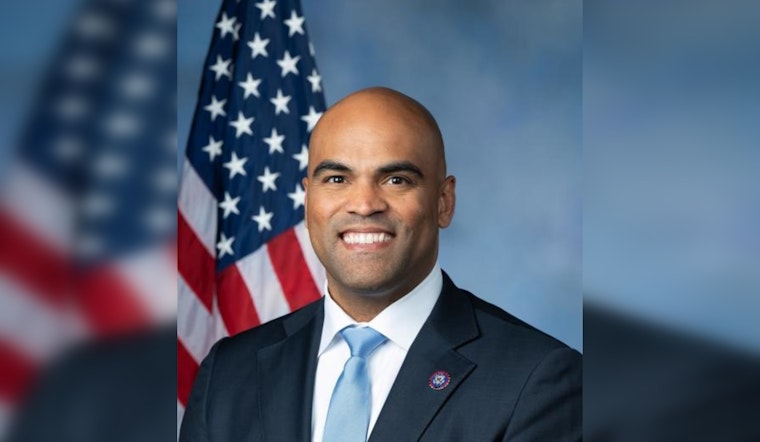
In a remarkable escalation of campaign finance, Texas has once again found itself at the heart of a Senate race that's breaking the bank, with U.S. Rep. Colin Allred surging ahead in fundraising against incumbent Sen. Ted Cruz. According to KXAN, Allred's campaign coffers swelled with over $30 million in the third quarter of 2024, significantly outpacing Cruz, who managed to raise over $21 million across multiple fundraising channels during the same period.
The massive influx of funding into Allred's campaign has pushed his total campaign contributions to more than $68.7 million, a figure that overshadows the over $40 million Cruz’s campaign has managed to amass which includes all of his fundraising accounts, as detailed by KXAN. With Election Day drawing near, happening in less than four weeks, the pressure mounts on whether Democrats can convert their financial leverage into electoral victory, something Beto O’Rourke couldn't achieve in 2018 despite his fundraising prowess against Cruz.
Though Allred's fundraising achievements are monumental, they stop short of the record $38 million O'Rourke pulled in during the same quarter of 2018; however, Allred's overall intake stands taller, reaching nearly $69 million since the campaign's start, a feat that surpasses by almost $8 million what O'Rourke had collected by the same point in the previous Senate battle. Meanwhile, Cruz's campaign has been transparent with their finances, ending the quarter with $16.2 million cash on hand, details that Allred's camp hasn't yet matched in terms of disclosure.
Political winds may be shifting slightly, the race that Cruz has led from the start now seems less assured, as polls suggest Allred has been consistently closing in on the senator's lead, putting him within striking distance within the margin of error, with less than four weeks to go until voters hit the ballot boxes, the political landscape is delicately poised with national Democrats throwing their weight behind Allred through a multimillion-dollar ad buy set to shore up his candidacy a move that follows two leading elections forecasters' decision to adjust their outlook of the contest from “Likely Republican” to “Lean Republican,” as reported by the Texas Tribune.





