

























































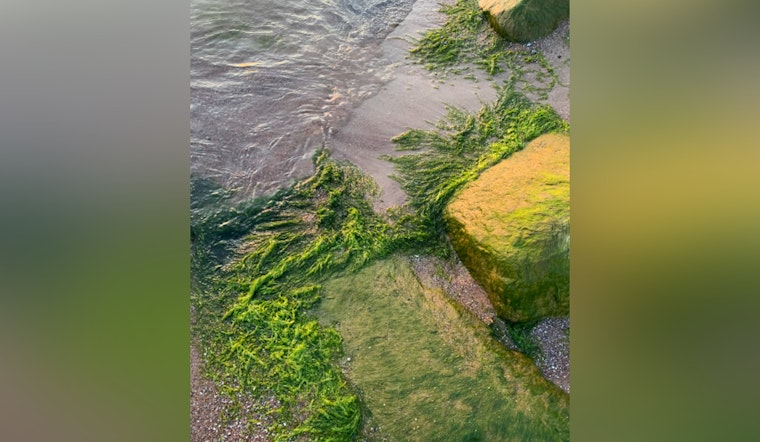
Officials have confirmed toxic algae blooms in several areas around Lake Mead and now, more recently, along Lake Mohave. Key spots like Nelson's Landing, Placer Cove, and Cottonwood Cove are now hot zones for these harmful algal blooms (HABs), with warnings against swimming or allowing pets to frolic in or drink the waters, In reports sourced from News3LV and 8 News Now.
The latest findings raise concerns about an ongoing environmental issue that has spread significantly and is now above safe levels for public contact, according to Nevada Division of Environmental Protection guidelines. Look out for thick green algae floating on the water's surface, warned officials, with the potential for it to drift mysteriously to other coves and locations dependent on the whimsy of the weather. They have also urged anyone to quickly rinse off with clean water if they or their pets come unintentionally into contact with the affected water.
These cyanobacteria, or blue-green algae as they are more casually known, are hardly benign microscopic organisms. They're thriving in the warm and nutrient-rich conditions that typify late summer and early fall. Park biologists have their work cut out for them as they continue to monitor the blooms, which have also been spotted by visitors. "It was all over every spot in Cottonwood. Does anyone know if this is toxic?" a concerned citizen posted alongside a photo in a private Facebook group, which led to a follow-up by 8 News Now.
Education about these HABs is essential to ensuring public safety. Learning to identify the harmful algae and understanding the risks are paramount until biologists can give the all-clear – whenever that may come to be. The Nevada Department of Health and Human Services maintains a dashboard tracking these blooms, though it appears the new locations have yet to be updated on it. So far, there have been no confirmed human or pet illnesses related to these HABs this year, according to the dashboard. However, visitors to the lakes should remain vigilant and report any sighting of suspect algae to the park's non-emergency number: 702-293-8998 or email [email protected], as park officials have requested.



