

























































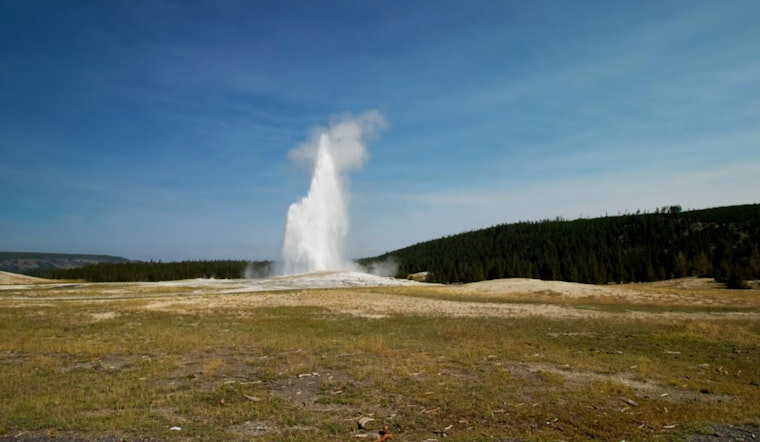
A relentless geyser in West Texas continues to surge, catapulting water and oil up to 100 feet into the air. The phenomenon began near Toyah, roughly 82 miles north of Marfa, and has persisted for over two weeks, according to a report by the Houston Chronicle. Officials are scurrying to determine the cause and how to halt the unusual eruption.
It's emerging that Apache Corp. had flagged concerns about potential dangers in the area as far back as 2017. The Houston-based oil company had warned that faults and fractures in Reeves County's oil fields might lead toxic wastewater into protected groundwater and natural springs, as discovered in regulatory filings. Now with the geyser in full spate, these early alarms are casting a shadow over the Texas Railroad Commission's regulatory oversight. In a statement to the Houston Chronicle, the Commission’s Chairman Christi Craddick conveyed a serious stance on the matter, amidst a notable increase in regional activity.
Meanwhile, the seismic activity could be a piece of this puzzling situation, with a 5.1 magnitude earthquake having recently shaken West Texas. Experts have associated such tremors with the industry practice of injecting wastewater below ground, a method increasingly under scrutiny for its environmental implications, the Chronicle noted. The Houston Chronicle added that the Railroad Commission, under scrutiny for their response to these events, previously banned deep injection in the area because of earthquakes yet allowed continued shallow injections despite Apache’s cautions.
The owner of the land where the geyser stands, Wade Caldwell, voiced his concerns about the impact on groundwater and the extensive cleanup effort that awaits. Kinder Morgan, a company that acquired El Paso Natural Gas that once operated the geyser’s well, is working to contain the flow and re-plug the well, as mentioned in the company's statements to the Chron.
Railroad Commissioner candidate Hawk Dunlap referred to the geyser as "a ripper", as stated in an interview with DeSmog, and pointing out the vicinity to areas affected by fracking-induced earthquakes. Similarly, attorney Sarah Stogner has been active in monitoring West Texas wells, referencing the likelihood of more such incidents in communication with the Chron.





