

























































Motorists navigating the notoriously congested State Route 14 in the Vancouver-Portland metro area just got a reprieve. As reported by Washington State Department of Transportation (WSDOT), a novel approach to traffic management—a part-time shoulder lane, the first in the region—has been unveiled.
The adaptive shoulder lane is specifically designed to alleviate the weight of peak-hour traffic, opening to vehicles only when things get really tight on the road. This lane, stretching a mile and a half, allows westbound travelers on SR 14 to extend their commute onto an extra lane, as they make their way to northbound Interstate 205. But, don't get too comfortable—the lane's availability is indicated by overhead signs that toggle between open and closed statuses, perks reserved for times of heaviest use.
Carley Francis, WSDOT Region Administrator, spoke of the infrastructure enhancement at a ceremonial event, marking the occasion. "Using innovative traffic management tools that dynamically adjust to traffic levels, this completed SR 14 project removes chokepoints, increases traffic flow and shortens commute times along this heavily traveled roadway," Francis said in a statement released by WSDOT. The improvements also include a ramp meter at the Southeast 164th Avenue on-ramp, which optimizes the flow of vehicles entering the highway.
The part-time shoulder lane is more than an added convenience for harried drivers, it's a boon for transit as well. C-TRAN, the regional bus network, benefits from this infrastructure development, thanks to the success of a pilot bus-on-shoulder program. Now, buses can glide past traffic snarls using this shoulder at any time to get to I-205. This privilege, previously tested between 2017 and 2022, is set to continue, undeterred by the whimsical nature of the regular commuter traffic.
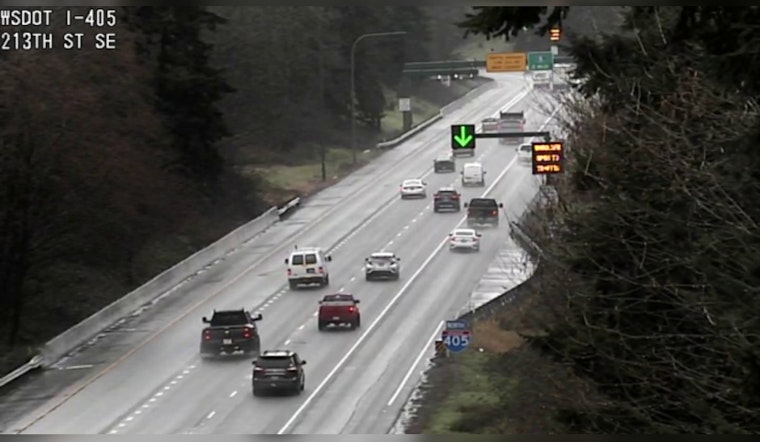
Information released about the lane details its functioning: when traffic is dense and the lane is thrown open, green arrows, "OPEN" signs, and "EXIT ONLY" warnings guide drivers' decisions. Conversely, a red "X" and a straightforward "CLOSED" demarcate its off-limits status. A yellow arrow, paired with a "CAUTION" or "CLOSED AHEAD" notice, indicates an upcoming closure due to obstructions or emergencies. Safety measures include designated pull outs for any disabled vehicle finding itself sidelined in the midst of this high-speed ballet of buses and cars.




