

























































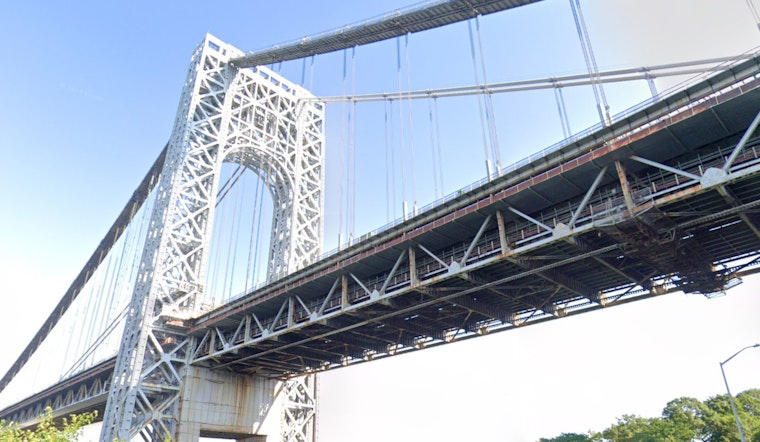
The George Washington Bridge is undergoing a $2 billion renovation, a significant undertaking that aims to prepare the iconic structure for another century of service. The senior engineer of construction for the Restore the George Program at the Port Authority of New York and New Jersey, Ken Tripaldi, described the extensive process involved in refurbishing the bridge's main cables and suspender ropes, which had not been replaced since the bridge first opened its lanes back in 1931, as reported by NY1.
According to Tripaldi—the complexity of the work derives in part from the fact that each of the bridge's main cables contains 26,474 individual wires and each wire being critical to the bridge’s structural integrity, stretching over 100,000 miles if laid end-to-end—this rehabilitation, though essential, has been a Herculean task. Ditto for replacing the 592 unique suspender ropes, some of which Tripaldi described as "like a twisted wire rope," each differing in length and approximately 3 inches in diameter, according to NY1. It's easy to see why this bridge has stood as a testament to the tenacity and innovation born from the human spirit.
One addition to the bridge's maintenance is an elastomeric wrap aimed at keeping the cables dry and a new dehumidification system to prevent corrosion—Tripaldi hopes these improvements solidify the bridge's future health, he told NY1. This restoration project also promises to embrace inclusivity with the upcoming addition of a new south walkway, slated for a 2027 opening, which will feature a ramp for people with disabilities on the New York side.
However, the recent efforts to improve the George Washington Bridge haven't kept it immune from disruptions, such as the spill of wood debris from a truck earlier today—causing extensive delays and lane closures—underscores the balance between maintenance and the ceaseless flow of daily traffic this vital artery experiences, impacting the commuters as reported by CBS News. While the lanes have since reopened, the event is a reminder of the bridge's role in the bustling movement of people and goods; it stands not only as a physical structure but as a living tableau of the region's rhythm and pulse, a silent witness to the stories crossing its span, unfolding daily.
Travelers familiar with the George Washington Bridge, an economic lifeline connecting Washington Heights in Upper Manhattan to Fort Lee in New Jersey across the Hudson, can attest to the bridge's importance, and they are encouraged to seek alternate routes like the Holland or Lincoln tunnels in times of such disruption. Moreover, with a next phase of restorative work scheduled to take place beneath the apartments near the bridge, affecting the I-95 corridor, reciprocity between infrastructure and everyman will continue to craft the narrative of America's busiest bridge.





