

























































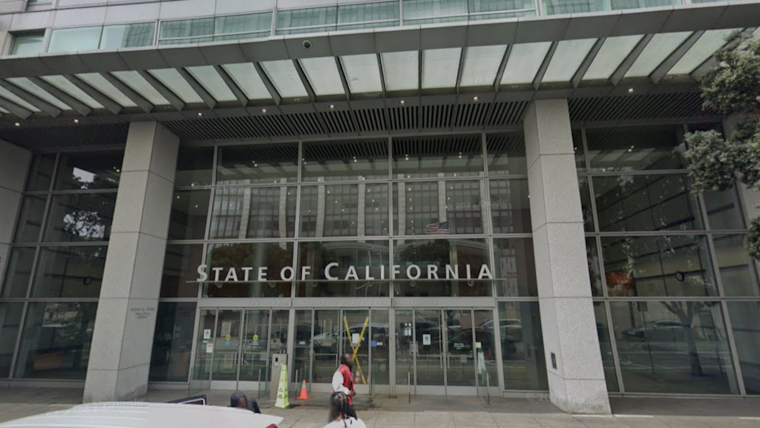
California Attorney General Rob Bonta has actively joined the ranks of a bipartisan coalition of 47 attorneys general, standing united in a push to bolster regulations against the persistent nuisance of illegal robocalls. This move involves a submitted comment letter to the Federal Communications Commission (FCC) that voices support for potential rules to amplify consumer protections. The FCC's Robocall Mitigation Database, a critical tool in tracking and minimizing illegal robocall traffic, is the focal point of these regulations, as reported by the Office of the Attorney General.
"Robocalls are not only annoying, they can also facilitate scams that result in real financial losses for Californians. This is a nationwide problem, and we need nationwide solutions," Bonta said, as per the Office of the Attorney General. The proposed rules by the FCC are a continuation of ongoing efforts to combat these disruptions by refining the database's efficacy. Bonta endorses these proposals to safeguard the public against electronic harassment, which promises to effectively combat and potentially reduce illegal robocall traffic.
In the spirit of his pledge to uphold consumer protections in California and advocate for such measures at the national level, Bonta's participation in the FCC's initiative is but one aspect of his broader engagement against robocalls. He is a member of the Anti-Robocall Multistate Litigation Task Force, comprising 51 bipartisan attorneys general tasked with legally pursuing entities responsible for routing substantial volumes of illegal robocall traffic throughout the United States.
Among recent measures taken by Bonta, we see active engagement in the battle against these invasive calls. Last month, he issued a warning letter to a telecom company suspected of transmitting illegal robocall traffic, including calls that fraudulent masquerade as government officials. Also noteworthy is his participation in issuing a warning letter to a company accused of sending scam election robocalls to New Hampshire residents, as the Office of the Attorney General highlights.


