

























































In a significant blow to the operations of the Jalisco New Generation Cartel, Oralia Rodriguez Flores, 40, has pled guilty to federal charges of narcotics trafficking and money laundering. In a plea acknowledging her role in a drug empire that sprawled from Mexico to the Carolinas, Flores admitted to conspiracy to distribute methamphetamine and cocaine, distribution of methamphetamine, and conspiracy to commit money laundering. The Clayton resident could face life behind bars.
Describing the scope of the operation, U.S. Attorney Michael F. Easley, Jr. said, "The CJNG cartel is one of Mexico’s most violent drug trafficking organizations," in a statement obtained by the U.S. Department of Justice. With an assertive effort to stem the tide of drugs and money that fuels this cartel, Easley Jr. outlined the strategy of systematically degrading the criminal network. This includes crippling the flows of narcotics into the Carolinas and choking the cash that funnels back to Mexico.
Robert J. Murphy, Special Agent in Charge of the DEA Atlanta Division, highlighted Flores' role in the cartel's dangerous operations. "She knowingly and intentionally helped members from the violent CJNG cartel distribute their drugs and launder their money," said Murphy. According to court information, Flores managed large shipments of narcotics, distributing kilogram quantities to South Carolina customers and using commercial 18-wheeler trucks to move cocaine sourced from Mexico.
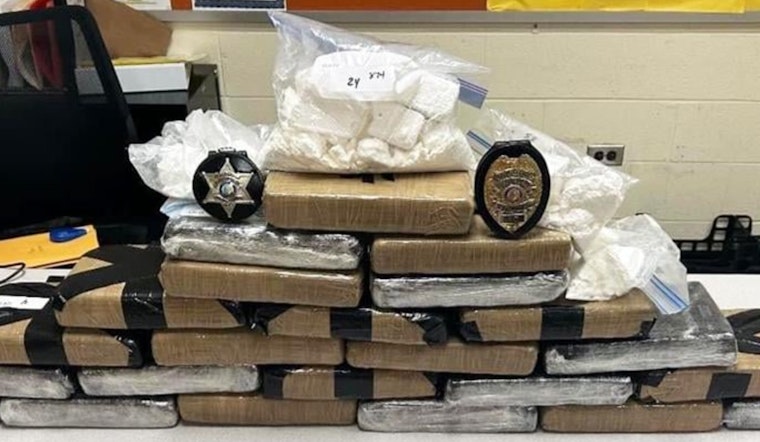
As part of the court proceedings, it was revealed that Flores used a variety of methods to launder the drug cartel's proceeds, including delivering over $1 million in cash to truck drivers and leveraging an Asian money laundering network to transfer funds. Dealing in deadly wares, Flores transacted kilograms of cocaine for $22,000 each, as observed when she picked up a consignment from a hotel for a customer, eventually revealing she had 18 kilograms in her possession via video evidence, according to the U.S. Department of Justice. She met with the drivers of trucks designed for long hauls to pick up drugs on five or six occasions.
This case is a product of the Eastern District of North Carolina's Illicit Finance Task Force and an Organized Crime Drug Enforcement Task Forces operation aimed at dismantling high-level criminal organizations. These efforts are instrumental in disrupting the financial backbone of drug rings through the strategic application of criminal and civil laws. The investigation garnered support from the DEA and IRS-Criminal Investigation, with Assistant U.S. Attorneys Toby Lathan and Charles Loeser leading the prosecution for the government.




