

























































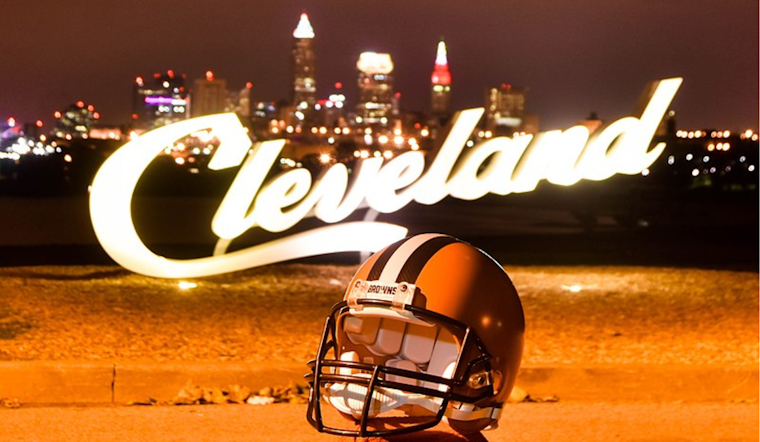
Downtown Cleveland's financial and cultural fabric faces a scrutinizing examination as the Cleveland Browns propose relocating their stadium operations from the familiar lakefront to Brook Park. A recent economic report sponsored by the city presents a stark portrait of the future fiscal implications. The study, conducted by Econsult Solutions, anticipates that the migration could strip Cleveland of at least $30 million in annual economic output while potentially dislocating 360 jobs, cleveland.com reported.
As the details trickle in, the prospect of the Browns' new arena casts a shadow over the city's financial health. According to a report obtained by News 5 Cleveland, the city stands to lose about $11 million annually in general fund revenue, which translates to approximately 1.4% of the fund's 2023 expenditures. Additionally, the study underscores the fragile nature of Downtown Cleveland's ecosystem, which currently benefits from Browns' game-day festivities and associated spending on transit, hotels, and local businesses.
Mayor Justin Bibb has vocalized his disapproval of the Browns' strategic move, noting particularly its untenable timing. "Moving this asset to Brook Park will undermine all the public subsidies that we’ve already been making in our sports facilities, long-term,” Bibb stated in remarks reported by News 5 Cleveland. Fears are not unfounded that the new venue's attempt to siphon events from Downtown's Rocket Mortgage FieldHouse and Huntington Convention Center could increase the city's economic injuries.
However, the durability of Brook Park's venture surfaces as a questionable endeavor in its own right. The Econsult Solutions study casts reservations on the demand for a new entertainment district, the planned site of which is currently surrounded by industrial zones, raising concerns about its marketability for retail and residential intents. Critics echo this skepticism, "there is limited demand," the report remarks, as reported by News 5 Cleveland. Further complicating these calculations are comparisons to similar stadium projects, with the study revealing that domes in comparable markets typically only host four and twelve significant events a year, starkly contrasting with the Browns' ambitions for 50 annual functions.





.jpg)