

























































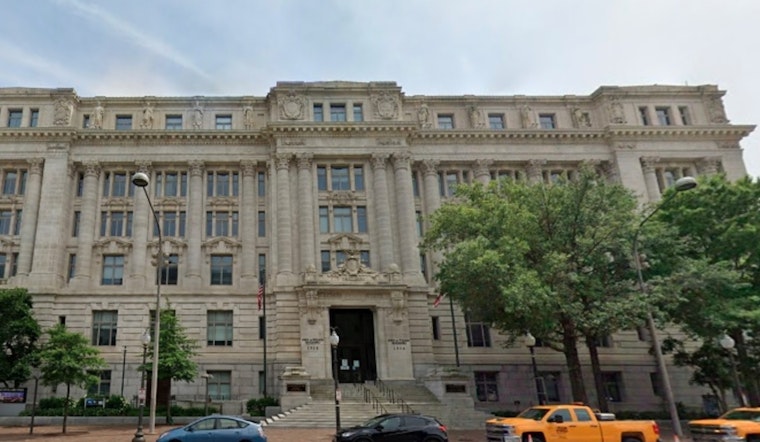
At a recent meeting, the DC Council approved new restrictions on protests in residential neighborhoods, balancing the right to assemble with the need for peace at home. The regulations limit the use of amplified sound at protests to between 9 PM and 7 AM, recognizing both the importance of homes and the right to free speech and assembly.
According to the Council of the District of Columbia release, the Council's decisions follow a rise in protests outside people's homes. While acknowledging the importance of protests in DC, the new measures aim to reduce their impact on the community. These include a ban on throwing projectiles at homes and creating a new offense for protesters who return after being dispersed. Since emergency bills need two-thirds support to pass, the bill was modified to keep residential protest hours from 10 PM to 7 AM, while limiting amplification from 7 PM to 9 AM.
In a unanimous decision, the DC Council overrode a mayoral veto regarding layoffs of DC Circulator employees. Council members agreed that funds from the sale of decommissioned buses should support these workers. This veto was only the 58th overturned in 35 years, showing strong Council unity against the mayor.
The Council also took important actions affecting life in the capital, passing the first of two votes on measures to rehire retired police officers and firefighters, improve school readiness for medical emergencies, address illegal dumping, and expand economic development in neighborhoods like Mount Vernon Triangle and Barracks Row. Personal milestones were felt during the meeting, with Councilmember Janeese Lewis George absent for the birth of her son and Ward 7 Councilmember Vincent Gray stepping back for health reasons.
Looking ahead, the Council will continue to focus on these issues at the next legislative meeting on November 12, where they will address the balance between individual rights and community harmony in their ongoing discussions.



