

























































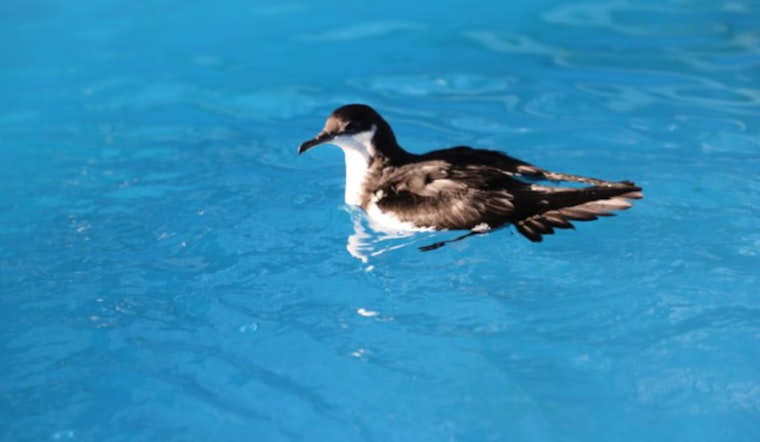
San Francisco, while usually bustling with tech news, isn't the only locale facing unique seasonal challenges. Over in Hawaii, as the annual plight of disoriented seabirds continues to engage wildlife enthusiasts and rescuers alike, there's a new wrench thrown into the rescue operations. With a recent confirmation that the dreaded avian influenza, specifically the H5N1 strain, has infiltrated the backyard bird community on Oʻahu since November 15, caution is the word of the hour. According to the Hawaii Department of Land and Natural Resources, despite the disease not being detected in native seabirds, human handlers are nonetheless advised to significantly beef up their protective measures.
The Hawaii Department of Land and Natural Resources isn't just whistling Dixie here; they've gone ahead to amend their seabird rescue guidance to explicitly include precautions for minimizing transmission risk of avian flu. This isn't hard to understand – you'd want to also safeguard yourself while trying to save a downed featherball. And if you happen upon a congregation of ailing or deceased birds, it's your civic duty to quickly contact the Hawaii Department of Agriculture. Bird emergencies don't know business hours, so they have numbers for both workday call-ins (808-483-7100) and after-hour situations (808-837-8092).
So what's a good Samaritan to do when bumping into an injured seabird needing help? The drill calls for enlisting your very own protective gear – think gloves, facemasks, eye protection, the whole nine yards. After handling any bird, washing your hands plus sanitizing your clothes and gear is just plain good hygiene but now doubles as a preventive step against the flu. Don't forget to flip through the Hawaii Department of Land and Natural Resources Division of Forestry and Wildlife website for a refresher on this guidance and for specialized contact info should you need assistance from wildlife professionals.
However, an important note from our friends at the Hawaii Department of Land and Natural Resources is that not every seabird on the ground needs rescuing. They tell us to "use extreme caution when considering whether or not to approach a seabird." Some of these creatures could simply be doing their regular fitness routine right outside their burrows, and if they aren't showing signs of injury, they're probably fine. In any case, double-checking before springing into rescue mode can save everyone a lot of trouble and ensure proper aid gets to the seabirds that really do need it.





