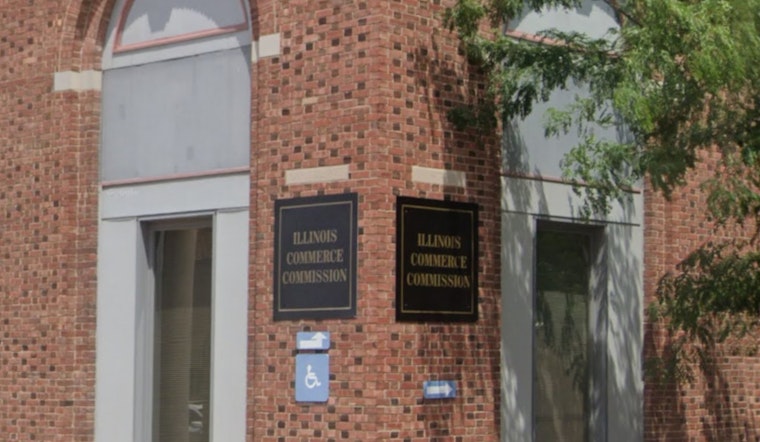
Illinois' Citizens Utility Board (CUB) is putting pressure on the Illinois Commerce Commission (ICC) to reduce a substantial rate hike proposed by Commonwealth Edison (ComEd), the state's largest electric utility. ComEd has requested a $678 million increase, but as CUB points out, there's fat to trim in the utilities' plan. A news release from CUB on Tuesday provides insight into the consumer group's stance against what they see as excessive and wasteful spending.
According to a recent ComEd filing, the proposed rate hike, contested extensively in Docket 24-0181, now stands at about $678.1 million. However, proceeding with the October recommendation from state regulatory judges was set a hike at about $648.6 million. This is in contrast to the earlier $308.4 million approved increase by the ICC on separate issues. If compiled, this would raise ComEd's annual rates by nearly $1 billion, as struggling through oral arguments on Tuesday morning, CUB's General Counsel Eric DeBellis articulated concerns about protecting ratepayers from undue financial burden.
The tug-of-war between CUB and ComEd continues following a series of charged interactions. Last year, after being fined $38 million by the ICC—on top of a $200 million fine by federal authorities for a bribery scheme—ComEd had to revise its grid plan proposal following the ICC's rejection for failing to prove affordability. This year's revised utility grid plan still seeks to introduce significant rate hikes extending through 2027. CUB insists that under the Climate and Equitable Jobs Act (CEJA), which demands strict scrutiny of utility rate plans, such hikes are unjustifiable.
CUB's expert testimony filed over the summer requests the ICC to slash at least $89 million from the proposed increase. Drawing attention to misplaced priorities in ComEd's spending, such as $29.5 million additional IT expenses arising from a new customer billing system fiasco, they argue it's wrong to have customers pay for ComEd's blunders. As CUB points out, burdening customers with costs for speculative projects serving potential large customers, like data centers that may or may not come to fruition, seems more like a gamble with ratepayers' cash than a well-designed plan.
With staunch advocacy, CUB maintains the position that ComEd needs to justify each investment for it to qualify as necessary and beneficial for its customers. "Under CEJA, the days of spending customers' money first and answering questions later are over," stated Eric DeBellis in the oral arguments. Stakeholders and ratepayers await the ICC's final order on the case, expected on December 5th, with a mix of anticipation and concern. The outcome is not just about rates; it's about accountability, transparency, and the financial well-being of Illinois electricity consumers.