

























































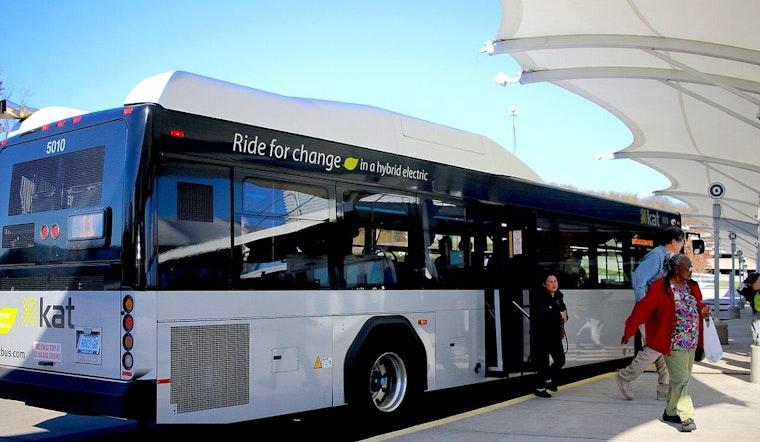
In a bid to bolster civic participation, Knoxville Area Transit (KAT) has taken the proactive step of offering fare-free rides on the day that matters most to democracy—Election Day. On Tuesday, November 5th, riders across the city will be able to board any KAT service, including buses and the paratransit service known as the Lift, at no cost. This initiative is a practical move by the city to ensure that transportation does not stand between a voter and the ballot box.
The decision to waive fares comes with the understanding that the act of voting is not just a right, but also a collective effort that gives shape to the future of the community, and in some precincts, reaching polling places without personal transport can be a challenge this is intended to alleviate that, based on a statement from the City of Knoxville's transit officials. According to the city's announcement, the fare-free service is available to all, covering KAT’s array of routes—a testament to Knoxville's dedication to making the electoral process accessible to all of its residents.
The spirit behind this gesture is succinctly captured in the words of Isaac Thorne, Director of Transit for the City of Knoxville, who underscores the importance of Election Day as a defining moment for the community's unity and self-determination. "Election Day is a critical moment for our community to come together and make their voices heard," he stated, "By offering free rides across our system, we’re helping to make that process as accessible as possible for everyone." Thorne's comments reflect a broader sentiment that exercising one's voting right should be free of logistical hurdles.
Through initiatives like this, KAT not only reflects its role as a facilitator of mobility within the city but also its contribution to the health of the local democracy.





.jpg)