

























































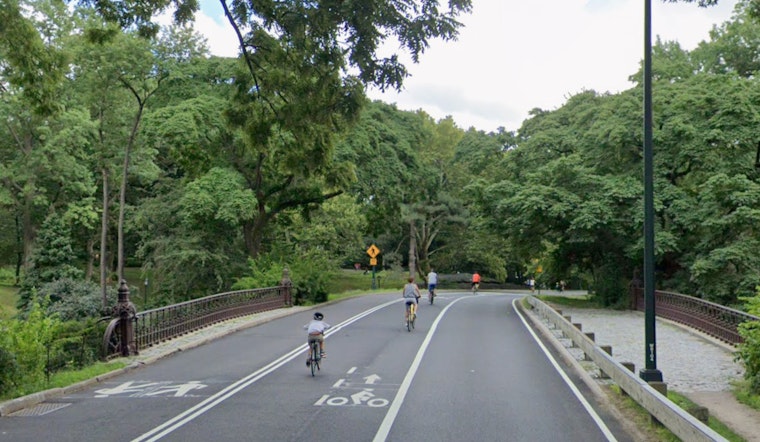
As Central Park prepares for a transformation of its well-trodden drives, the city's vision for a more pedestrian- and bicycle-friendly experience takes shape. The Central Park Conservancy, responsible for the park's stewardship, is collaborating with New York City's Department of Transportation and the Department of Parks and Recreation to reengineer the six miles of roads looping the iconic greenspace. A report, as detailed by The New York Times, outlines over a dozen recommendations, aiming to commence as early as summer of 2025. The blueprint for the roads is fueled by an intent to better accommodate pedestrians and the increasing number of cyclists, spurred in part by the city's new congestion tolls.
The plans include a range of initiatives from repaving with softer, potentially rubberized materials for runners and walkers, to the implementation of colored and textured roadbeds to clearly define lanes. A significant move signals the removal of the park's 50 traffic lights, deemed unnecessary since the barring of most vehicles in 2018. The Conservancy's president, Elizabeth Smith, told Crain's New York, “Olmsted wasn't dealing with pedicabs,” acknowledging the evolution of the park's user base since its original design.
For bikers and electric-powered devices, the plan envisions an improved delineation of space. A potential grooved "rumble strip" is to help prevent cyclists from drifting into pedestrian lanes, as Smith explained to The New York Times. The middle lanes are to be distinctly marked for casual cyclists, with emergency vehicles also being given designated space. These measures are part of a move to foster greater safety and clarity in the bustling environment of Central Park, where millions of locals, who are the park's primary users, seek solace and exercise.
The changes in Central Park drive design also hope to effectively manage a diverse mix of users – from runners to e-bikers and horse-drawn carriages. Surveys and public meetings, impacted by users' concerns over speed and safety, shaped many of the recommendations. The Conservancy was "surprised" to find no universal strategies in peer parks around the world, as they faced the same challenges, Vice President for Government Relations, Policy and Community Affairs David Saltonstall told Crain's New York. The Conservancy and the city have committed to jointly tackle this complex task, expecting the initial effort of repaving and redesign to bear a multi-million dollar cost, paid for by the city. Before any of this can begin, a detailed survey of each crosswalk is firmly in the works.
The report's recommendations do not stop at design and infrastructure. A "Pedicab Reform Working Group" is suggested to reel in the issues of regulation and potential price gouging by pedicab operators. Community engagement remains high on the priority list, with Conservancy officials intending to visit community boards for further feedback before finalizing plans.





