

























































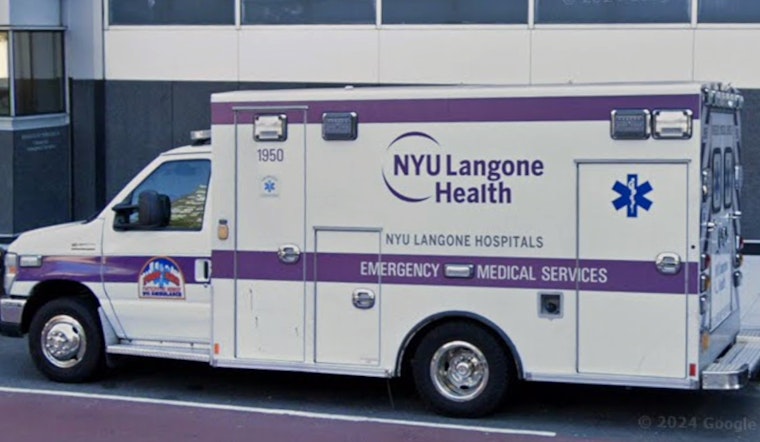
NYU Langone Health appears to be in a strong financial position, having improved its annual operating margin to 3% for the fiscal year ending in August. The increase from the previous year's 2.9% margin is accompanied by a total revenue of $14.2 billion, reflecting a significant year-over-year rise of 14.2%, as reported by Becker's Hospital Review.
This growth in revenue for NYU Langone includes a 30.8% contribution from inpatient operations, 28.1% from outpatient services, 19.1% from faculty group practice patient services, and the remaining 22% from other sources. However, expenses also climbed by 14%, reaching $13.7 billion. According to Becker's Hospital Review, NYU Langone saw a net income of $890.5 million this fiscal year, although this is down from $1.3 billion in the preceding year. The reduction in days cash on hand, down to 144 days from 164 days previously, is reportedly the result of capital expenditures aimed at strategic investments.
On the flip side, an unaudited financial statement from NYU Langone revealed that the hospital system recorded a robust 9% operating margin, boasting a surplus of $235 million in the fourth quarter alone, as detailed by Crain's New York. NYU Langone Health spokesman Steve Ritea attributed this performance partly to increases in inpatient discharges and overall volume growth.
Beyond the numbers, concern centers on NYU Langone’s charity care expenditures. Despite high profits, the hospital system's spending on charity care equates to about 1.2% of its total expenses – significantly less than the nationwide average for nonprofit hospitals, which stood at 2.6% in 2020, according to KFF analysis cited by Dr. Ge Bai from Johns Hopkins University. NYU Langone's financial statement reveals $108 million spent on charity care that was not reimbursed, marking a 23% increase from the year before but still, a small fraction of overall expenses. "They have a very strong financial footing," Bai told Crain's New York, adding that "The community might want to ask how they can invest back."
Defending the hospital's approach to charity care, Ritea emphasized that NYU Langone provides a substantial $2.1 billion in underfunded and unreimbursed care for patients with government insurance programs like Medicare and Medicaid. Ritea pointed out that the health system's financial aid policies offer 100% discounts to those up to 600% of the federal poverty level, and smaller discounts for those up to 800% of the federal poverty level, who cannot afford their care. This adds another layer of complexity to the discourse on NYU Langone's fiscal responsibilities and societal contributions.





