

























































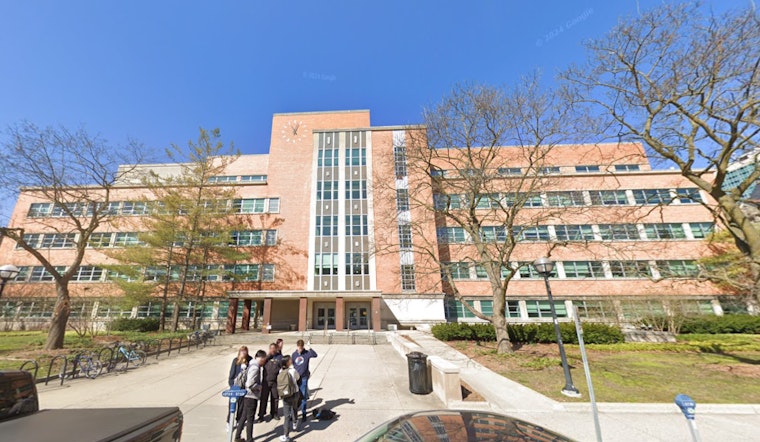
In a notable development at the University of Michigan, a recent lawsuit alleges that the university has been underpaying approximately 3,600 faculty members. The legal action, initiated by tenured sociology professor Fatma Müge Göçek, claims that the faculty has systematically received lower compensation due to delayed pay raises. This action has been filed in the Michigan Court of Claims and seeks to be certified as a class action, covering faculty hired from 2018 to the present, according to Michigan Public.
According to The Detroit News, the alleged shortfall arises from a discrepancy in timing; while the university starts paying the professors' salaries from July 1, coinciding with an the fiscal year, actual raises aren't applied until September 1. The specifics of the University Year appointment system mean that, although staff are paid over a 12-month cycle, they don't receive their incremental salary increase for the first two months of the fiscal year.
Matthew Turner, an attorney representing the plaintiff, highlighted the gravity of this issue by stating, "It doesn’t matter if you’re a professor, a lawyer, a journalist, a police officer, or somebody who works at McDonald’s — you’re entitled to get paid what you were promised to be paid," in an interview with The Michigan Daily. Turner has indicated that damages could exceed $2.5 million. The University of Michigan, still to be served with the lawsuit, declined to comment on the pending legal matter, a spokesperson relayed to several news outlets.
Moreover, the same grievance was mirrored in a resolution passed by the U-M Faculty Senate Assembly earlier in the year, asking the university to administer back pay for those affected. Though U-M has announced a policy change to address the payment schedule from July 1, 2025, they have not yet agreed to backdate pay for the years in question. "My insight, really, is that the University just stuck their head in the sand and refused to acknowledge that they had a problem," Turner told The Michigan Daily. The suit targets three years' worth of back pay, the maximum allowed under Michigan law, but establishes that the practice extends back much further.
The potential class-action lawsuit puts significant pressure on the University of Michigan to rectify what could amount to decades of underpayment. It also raises larger questions about the financial practices and contractual obligations of academic institutions. As the legal process moves forward, the university community and those beyond will be watching how U-M responds to the allegations and whether it will take retrospective action to compensate its faculty members.





