

























































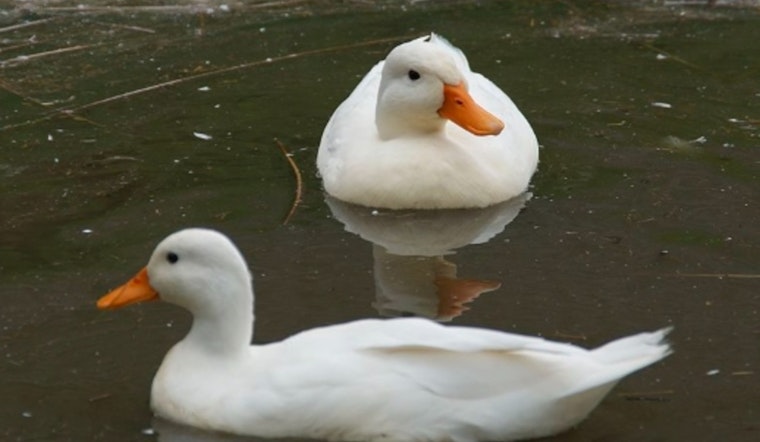
The avian flu has devastated a Wahiawa sanctuary, killing over 70 birds and impacting Hawaii's wildlife rehabilitation community. Susan Wilkinson, who runs Susie's Duck Sanctuary, discovered the first dead bird on November 5. Within a week, 20 more birds had died from the H5N1 virus, marking Hawaii's first outbreak, as reported by KHON2.
The unexplained bird deaths were later confirmed as avian flu, according to Island News. The outbreak worsened, killing 33 more birds, including species like zebra doves. Susan Wilkinson worked with a local vet and contacted state and federal veterinarians for answers as the birds showed symptoms like lethargy, loss of appetite, and unusual green stool.
According to a KHON2 interview, when a routine wastewater sample collected near the sanctuary at the Wahiawa Wastewater Treatment Facility showed signs of avian influenza, Wilkinson's worst fears took hold. "My heart sank," she said. The dire situation led to the Department of Agriculture's decision to euthanize the remaining birds as a safety measure, a heartbreaking step for the rescuer, who had spent years nurturing these animals back to health. Wilkinson warned others of the severity: "This is no joke, this is real, it is on island, and it is nasty."
Wilkinson urged bird owners to take immediate precautions, emphasizing the importance of quarantining flocks to prevent the spread of avian flu. Despite her efforts to quarantine and disinfect her sanctuary, the outbreak left the property empty of birds and placed under a four-month quarantine. Dr. Brian Walsh, Medical Director of Feather & Fur Animal Hospital, highlighted the rapid lethality of the virus, sharing his own experience with its devastating effects.
Although the risk to humans is low, health officials recommend precautionary steps such as monitoring for flu-like symptoms and avoiding contact with dead birds.





