

























































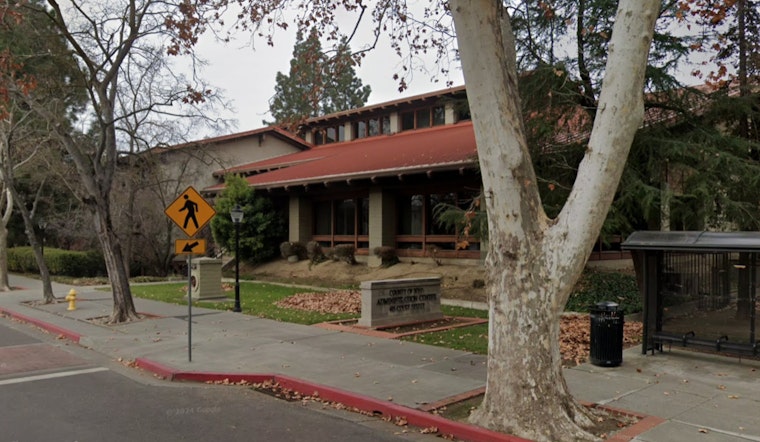
The Yolo County Board of Supervisors is set to formally recognize the contributions of the Bracero guest worker program and its descendants. During its December 3 meeting, the Board will deliberate on a resolution to honor the historical legacy of Braceros in the county. An exhibit showcasing the Mexican Bracero Legacy, curated with efforts from the Ethnic Studies YOLO Academy and various local partners, is scheduled to open at the Yolo County Administration Building in Woodland. Yolo County Supervisors, Lucas Frerichs and Angel Barajas, the Mexican Yolo Concilio, and the Yolo County Archives have all played roles in putting together this awareness-raising collection of photographs and artifacts related to the Braceros' history.
"I'm grateful for the opportunity to raise awareness about the history of the Bracero program in Yolo County," Supervisor Lucas Frerichs told Yolo County. He emphasized the importance of reflecting on both the positive and negative aspects of past policies like the Bracero program in the hopes of not repeating previous injustices. The exhibit is open to the public and is intended to highlight the Bracero program's lasting effects on the region.
Initiated during World War II, the Bracero program responded to labor shortages by bringing Mexican men to work in the U.S. These laborers played significant roles in the agricultural and railroad industries. Despite the economic opportunities provided, the program was also marked by a host of issues, including family separations, unfair wages, mistreatment, and it even culminated in legislation such as the 1955 Operation Wetback, which led to widespread deportations. Notorious for its harsh realities, the program concluded in 1964, leaving a complex legacy and many former Braceros to later seek residency through subsequent immigration amnesties.
Personal stories offer a glimpse into the profound impacts of the program. Amelia Valdenegro discovered her grandfather's life as a Bracero in Davis, and Crescencio Acevedo Soriano, a former Bracero who settled in Woodland after his service, remained a vital member of the community until his death at 101. In an interview with Yolo County, Supervisor Angel Barajas said, "The Bracero Program’s legacy is deeply woven into the fabric of Yolo County’s history." He outlined the enduring strength and communal bonds shaped through generations, stemming from these immigrant narratives.
The exhibit and the Board resolution are part of broader efforts to acknowledge and educate the public about the Bracero program's multifaceted legacy. Descendants of the Braceros in Yolo County have moved forward to become community leaders, elected officials, and advocates for social justice. Dr. Melissa Moreno, co-founder of the Ethnic Studies YOLO Academy, hopes that local institutions will persist to "research, study, and teach about local land, labor, and health histories that can inform practices towards equity and justice," as mentioned on Yolo County.





