

























































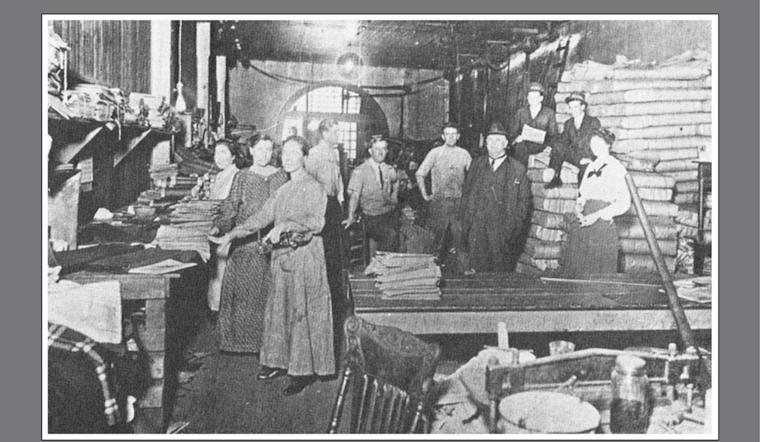
Streets bear the names of those who've etched their mark into a city's history, a permanent nod to the legacy that concrete and asphalt carry forward. One such thoroughfare is Bowen Road, commemorating "Col." William A. Bowen, a name that resonates through Arlington and its neighbors, Pantego and Dalworthington Gardens.
Bowen, known for his role as publisher and editor of the Arlington Journal, was at the helm from 1908 to 1921. Under his influence, the city ushered in significant changes, including the transformation of Grubb's Vocational School into a part of the Texas A&M, now within the UT System. According to an article by local author and historian O.K. Carter, Bowen was a visionary, claiming Arlington "the best city for homes and education and small factories in North Texas." Despite his relatively brief stint and passing in 1921, Bowen's impact is irrefutable, and his advocacy for municipal improvements like the city's first sewage treatment system and the birth of a chamber of commerce demonstrate this, as per the City of Arlington.
Today, Bowen Road doesn't just bear his name—it charts a history of progressive urban development. With a planned extension further southward indicated in the city's master plan, the road is more than a tribute; it's a path forging into the future. It's a testament to Bowen's zeal for advancement, dead-ending at Sublett Road for now but intended to be stretched even further.
The honor of having a street named after him was a posthumous one, bestowed when Bowen's contributions were still fresh in the collective memory of Arlington's citizens. Winding through the cityscape, Bowen Road serves as a daily reminder of his editorial voice that once steered the community through the early 20th century. It's a stamp of recognition that transcends the tangible, ensuring that long after his death, as O.K. Carter noted, per the City of Arlington, "the colonel would have liked that."





