

























































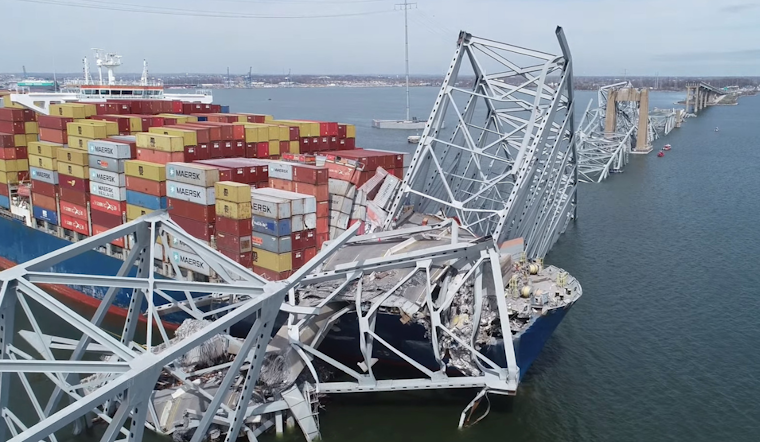
Just under the wire to avoid a government shutdown, Congress has passed a spending package that secures full federal funding for the rebuild of Baltimore's Francis Scott Key Bridge, which collapsed tragically last March following a collision with a cargo ship. According to CBS News Baltimore, the measure provides a substantial $100 billion for disaster relief, including the total cost necessary for the new Key Bridge project.
The continuing resolution includes the Baltimore BRIDGE Relief Act, which was confirmed by Senators Chris Van Hollen and Ben Cardin to cover the entire rebuild expense. Governor Moore, after a meeting with members of Congress in September, stressed, "this is about America's economy," while hinting at the deep economic implications of the bridge collapse. According to a joint statement reported by CBS News Baltimore, the senators affirmed that "this will allow the bridge to be built as quickly as possible."
President Biden has been quite vocal about his commitment to not only Baltimore but infrastructure across the nation, requesting the inclusion of funding for the Key Bridge rebuild in a disaster fund he proposed earlier. He echoed this determination after the bill's passage, stating that the $100 billion fund "delivers the urgently needed disaster relief" and underscores funds required for the reconstruction of the Key Bridge, as reported by CBS News Baltimore. The collapse, which claimed the lives of six roadworkers, brought to light the vehement need for resilient infrastructure and its interplay with human livelihoods.
Furthermore, as reported by WUSA9, the bipartisan legislation backing the funding found allies across the aisle, with House Speaker Mike Johnson and others extending their support. Governor Moore, leading the charge for Maryland, garnered bipartisan support from multiple legislative figures. "This bipartisan agreement is a win for port workers, truckers, small businesses, servicemembers, and working families throughout Maryland and across America," Moore emphasized, reflecting upon the unifying effort behind the funding approval.
The legal aftermath of the bridge collapse has also been considered. As noted by WUSA9, the Department of Justice and the Maryland Attorney General are pursuing legal actions against the owner and operator of the DALI vessel. This pursuit is a quest for accountability and a necessary step in the doctrine of restorative justice and economic assurance. The replacement of the bridge promises to reinstate a pivotal economic conduit and is slated for completion by fall 2028.





.jpg)