

























































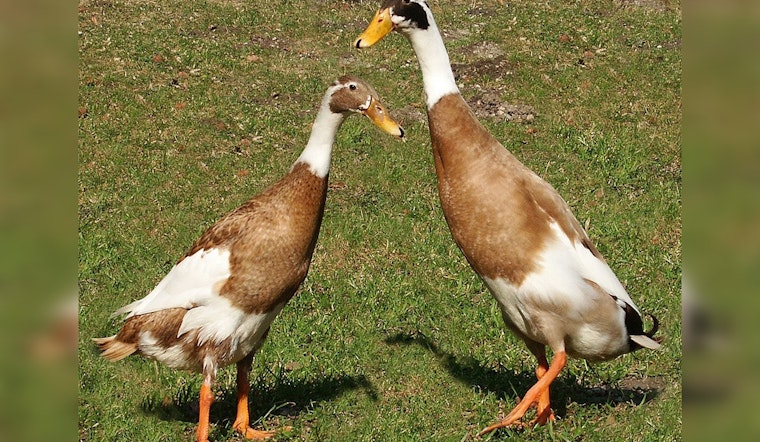
The outbreak of bird flu, formally known as the H5N1 virus, has reached a backyard flock in Vermont, state agricultural officials announced. The flock, consisting of 24 non-commercial birds located in Franklin County, had to face the grim reality of containment as they were put down after the owner reported the initial bird death on December 19 and subsequent deaths in rapid succession, as reported by CBS News.
Despite the unsettling developments for local bird enthusiasts, the Vermont Agency of Agriculture, Food and Markets hastened to reassure the public, stating the avian influenza poses a "low risk to human health." However, taking no chances, those who have come into contact with the infected flock's environment and surroundings are being monitored by the Vermont Department of Health, according to WCVB.
This is not the first rodeo for Vermont dealing with bird flu, as it marks the fourth time the virus has been detected in domestic flocks since the spring of 2022. The strain found in the Franklin County birds, designated as "highly pathogenic avian influenza," is different from another strain currently affecting dairy cattle across other U.S. states. The Vermont Agency of Agriculture, Food and Markets is stressing continuous vigilance and biosecurity measures for all bird owners, "from those who own backyard pets to commercial farmers," to prevent further spread of the disease, as noted by CBS News.
Concurrently, a serious human case of bird flu was reported in Louisiana, the first of its kind in the U.S., as stated by the Centers for Disease Control. The individual, having been exposed to sick and dead birds, represents a stark reminder of the virus's potential for zoonotic transmission. Nationwide, the CDC has recorded 65 human cases, primarily mild and often featuring symptoms such as conjunctivitis and upper respiratory issues, with most cases arising from California and a link to infected cattle, as per CBS News.
For Vermont residents and nationwide alike, vigilance remains crucial in the face of this avian threat. The state continues to implore the public to report any sightings of dead or sick birds promptly to agriculture agencies. With the overarching goal to stave off further infections, both of feathered populations and potentially humans, the efforts to contain and eradicate this pathogen march inexorably on.





