

























































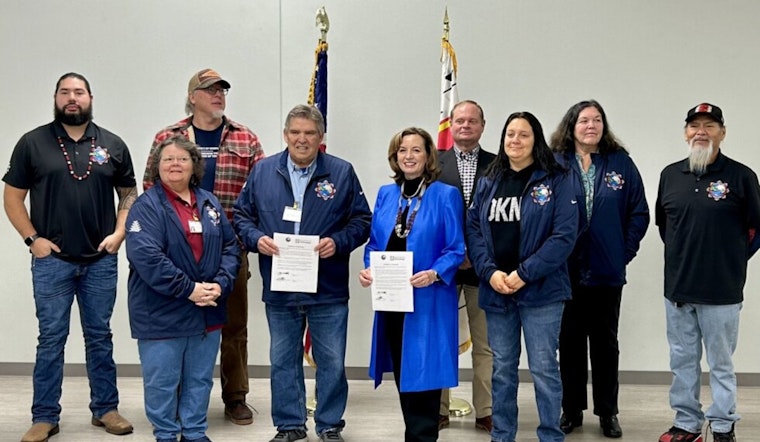
The digital landscape in California is shifting with the ambitious broadband infrastructure drive breaking new ground. As announced recently, the state is on the verge of surpassing a significant milestone of 3,000 miles of broadband network construction by year's end, as reported by the Governor's Office.
A public backbone network, termed the "middle mile," is expanding to connect the disconnected. With two fresh agreements with Northern and Southern California entities, the network promises to reach underserved communities, creating a robust internet infrastructure. The Karuk Tribe and Gateway Cities Council of Governments have joined forces with the California Department of Technology (CDT), outlining a 46-mile and 73-mile expansion respectively, as per the Governor's Office.
According to statements from Governor Gavin Newsom, this network is not just a technological upgrade, but "ensure all Californians have access to reliable, high-speed internet." These developments are reflections of a broader initiative by Newsom to expedite infrastructure improvements across California. With current construction covering 2,700 miles, the project is expected to hit 3,000 miles shortly and aims for 4,000 miles by the spring of 2025.
The partnerships with local tribes and governments highlight a collaborative approach to overcoming California's digital divide. "We are entering into an era of co-management where work together with our state partners to manage these lands which requires an adaptive process," Karuk Tribe Chairman Russell Attebery told the Governor's Office. Vilma Cuellar-Stallings, Board President of the Gateway Cities Council of Governments echoed these sentiments, stressing the need to bridge the technological gap in low-income communities.





