

























































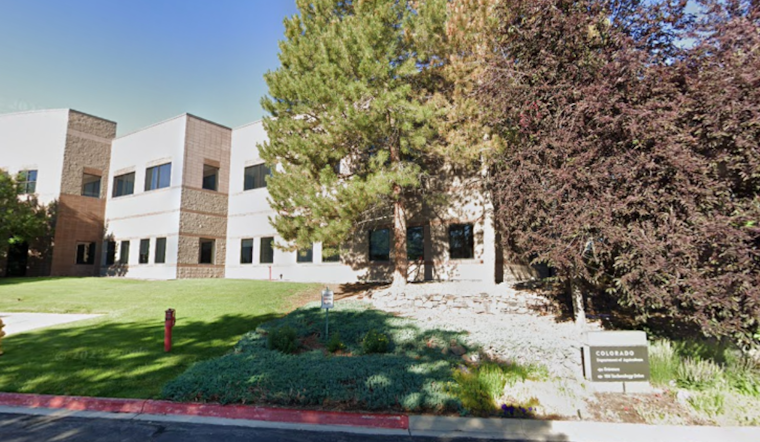
The Colorado Department of Agriculture is calling on the public to weigh in on potential changes to the Community Food Access Tax Credit. According to the details published on December 10 in the Secretary of State's Colorado Register, these proposed revisions are aimed at bolstering the Small Food Business Recovery and Resilience Tax Credit. The initiative is part of a broader effort to make healthy food choices more accessible and affordable, particularly in underserved areas.
For those interested, the CDA has scheduled a rulemaking hearing on December 30, at 8:30 a.m., which will be held via Zoom. From farm stands to local markets, eligible entities are being encouraged to virtually attend, to not only register their stance but equally to contribute constructively to the conversation. The department has provided a Google form for pre-registration, ensuring participants are able to join the discussion seamlessly.
Further elaboration on this matter is available on the CDA's Legislation, Laws, Regulations, and Rule Hearings page, which outlines these amendments in greater detail. This includes the specifics of how stores, farm stands, farmers markets, and farms can leverage this tax credit to invest in critical infrastructure. Such improvements should ideally translate to a more robust offering of healthy food options for communities that have historically gone without, as detailed by the Colorado Department of Agriculture.
Written comments on the proposed changes are welcomed by the Commissioner’s office. These insights can be submitted in advance of the hearing by emailing [email protected]. All voices are invited to take part, from businesses poised to benefit from the tax credit to citizens yearning to see more fresh produce on their local shelves. The final decisions, shaped by Colorado’s community input, will likely reverberate for years to come, profoundly impacting the state's food landscape.




