

























































The Mile-High City is bracing for winter weather, with light snowfall and increased clouds on the horizon. The National Weather Service in Denver has issued its latest forecast, detailing what residents can expect over the next week. Today, the city will see a slight chance of showers in the late afternoon and early evening. Temperature highs are expected to hover near 53 degrees Fahrenheit before dipping to around 31 degrees at night. While there is a chance of precipitation, the Denver area can anticipate light snow accumulation, if any.
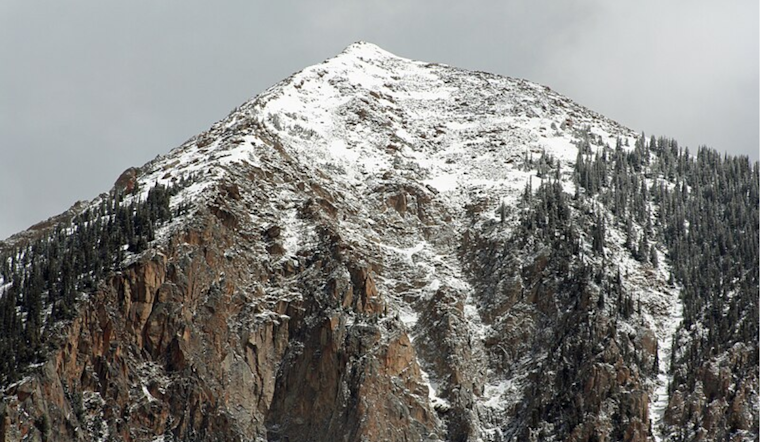
According to the National Weather Service, Snow showers will develop over the mountains this afternoon, and light snow is likely across the mountains tonight. Accumulations in the mountains should be manageable, probably staying under 3 inches, except potentially up to 6 inches in parts of Rabbit Ears Pass. Commuters should be relieved to hear that although the higher elevations might see some fresh powder, no significant travel impacts are predicted for lower elevations, including the Denver metro area.
Dry spells are anticipated for the lower elevations on Friday, with a mostly sunny sky and mild temperatures rounding out the day. The overall mild conditions will continue into Saturday with a high of 54 degrees Fahrenheit and partially clouded skies.
Looking forward to the start of the next week, an incoming weather system is expected to shift conditions significantly. The next system arrives Monday which will likely bring widespread cooler temperatures, widespread gusty winds, and mountain snow, forecasters warn. While Denver's elevated terrain is set to get some winter action, with mountain snow and breezy conditions, those in the city will be bundling up against an expected chill that could lower the mercury to around 48 degrees by Monday.
For those looking ahead to New Year's Day plans, you might be in luck with outdoor activities. It will be mostly sunny with a high near 43, although this is subject to change as forecasts evolve. The National Weather Service encourages spotters to report snowfall, as these contributions help improve the accuracy and effectiveness of weather predictions and advisories.





