

























































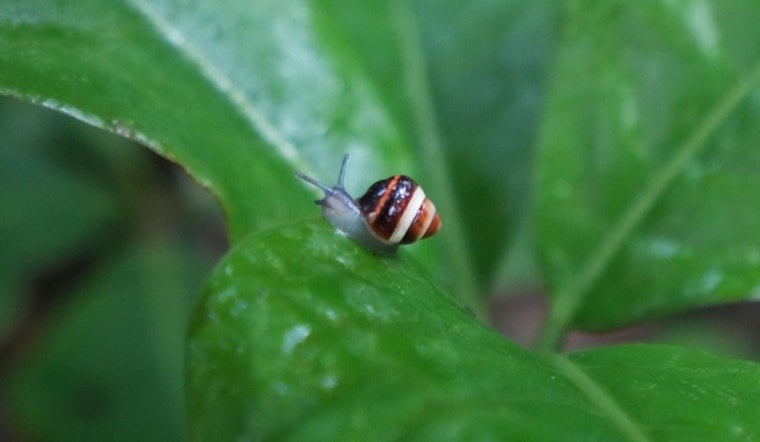
After more than three decades spent sheltered from the natural elements, the rare Hawaiian snail species Achatinella fuscobasis finally felt the sun, mist, and soil of their ancestral habitat again this past week. Officials from the DLNR Snail Extinction Prevention Program (SEPP), supported by various partners, have closed the book on an era of confinement for these creatures by releasing the first batch back into the wild within the Ko‘olau Mountains on O‘ahu, according to a report by the Department of Land and Natural Resources (DLNR).
The reintroduction ceremony was not only a pivotal moment for the snails, but also a cultural touchpoint, featuring a traditional oli (chant) by Dr. Sam ʻOhu Gon aimed at safeguarding the snail's return. The very existence of these snails, collected in 1991 by Dr. Michael Hadfield from the University of Hawai'i when only 11 remained, is a testament to the foresight of dedicated conservationists. "Our snails are true public-trust jewels of nature and culture," Dr. David Sischo, SEPP Coordinator, told the DLNR in an interview.
Now numbering over a thousand in captivity, Achatinella fuscobasis is once again testing life amidst the elements of the Hawaiian landscape. They are situated in a specially crafted quarter-acre exclosure designed to shield them from predators that have earlier led to the species' near extinction. This habitat was the culmination of approximately 600 hours of manual labor by an array of volunteers and professionals, who diligently cleared predators and invasive plants, as mentioned in the DLNR's announcement.
Moreover, captive breeding programs at the Bishop Museum and the Honolulu Zoo will allow the public to lay eyes on the Achatinella fuscobasis up close, fostering deeper connections between the species and the community. The fortress-like exclosure, replete with polyethylene walls, copper wire mesh, and a hood designed to keep out the troublesome rats and Jackson's chameleons, stands ready to protect this delicate snail. Dr. Sischo highlighted both the immediate and long-term objectives for the snails' survival and proliferation, emphasizing the need for "thriving colonies back in the wild where they belong," as reported by the DLNR.
While the first group adapts to their newfound freedom, planners have already set their sights on the next release, scheduled for the following February. These ongoing efforts reflect a deep commitment to preservation and the belief in a future where the Achatinella fuscobasis can thrive as a wild and free species once more.





