

























































As we head into the winter season and the holiday festivities ramp up, it's crucial to remember the furry members of our families who may be at risk from some of the season's hidden dangers. The Humane Society of the United States recently highlighted several health hazards that pet owners should be on the lookout for to ensure their pets stay safe and healthy during these colder months.
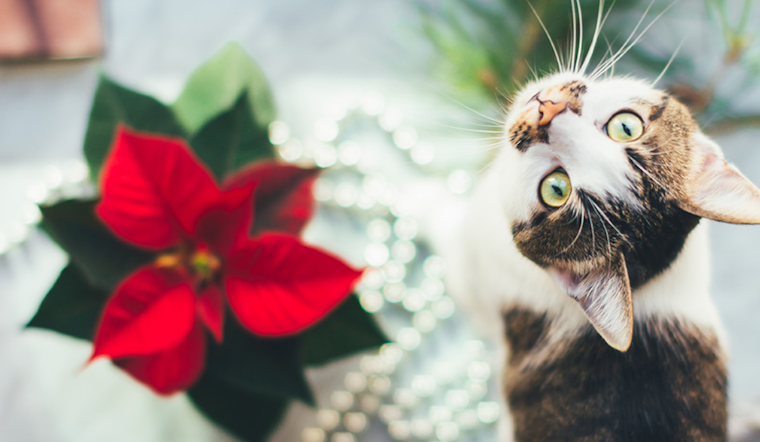
According to the City of Arlington, household plants like poinsettias and Christmas cactuses, which often make their way into homes during the holidays, can cause pet discomfort if ingested, leading to symptoms such as diarrhea and vomiting. While the plants may appear festive to us, their allure can be dangerous for curious pets, so keeping them out of reach is advisable. The same wisdom applies to Christmas decorations, like tinsel, which could cause intestinal blockage if pets consume them.
One of the more insidious hazards comes from products like antifreeze, which contains sweet-tasting ethylene glycol, a compound that is highly toxic to animals, even in small doses. Antifreeze poisoning can lead to lethal kidney failure, but an antidote may be available if the ingestion is caught early enough, making immediate veterinarian care crucial. Pet owners are encouraged to use antifreeze products that contain propylene glycol instead for a safer alternative.
The festive season is also the baking season, meaning more baking chocolate will likely be around the house. This type of chocolate contains high levels of theobromine, a stimulant harmful to dogs and cats who cannot metabolize it properly. Mistletoe, particularly its berries, also poses a risk, particularly its berries, which, if ingested, can lead to gastrointestinal and neurological symptoms.
Suppose a pet ingests any of these potentially harmful items. In that case, it is essential to contact a veterinarian or the ASPCA National Animal Poison Control Center immediately at 1-888-426-4435, which provides round-the-clock assistance.





