

























































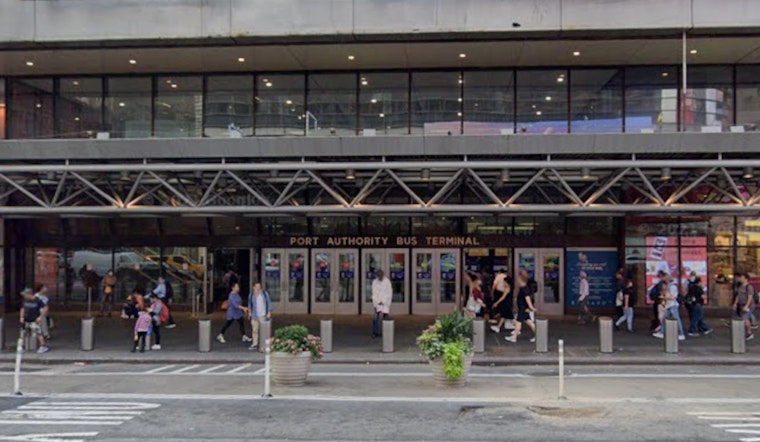
The long-awaited redevelopment of the Port Authority Bus Terminal has finally been set into motion, with the Federal Transit Administration giving the green light for the $10 billion project poised to replace the aging transit hub, as announced on Wednesday. In a major step forward, the approval signals the conclusion of the project's federally mandated environmental review and ushers in a new era for the world's busiest bus terminal, located in the heart of Midtown Manhattan.
According to an official statement released by the Port Authority of New York and New Jersey, executive director Rick Cotton expressed relief and anticipation, stating, "We now have in hand all the needed permits to move forward with replacing the agency’s long-outdated bus terminal and enduring eyesore in the middle of Manhattan with the world-class transportation gateway this region has long deserved," the overhaul is anticipated to start early next year with initial construction on deck-overs above Dyer Avenue, this marks a significant progression for the terminal which facilitates over 250,000 passenger trips during a typical workday. Funding for the endeavor is to be sourced from both Port Authority capital funds and federal aid, bolstering the financial backbone for this transformative initiative.
Attentions have turned to the anticipated amenities and design features of the new bus terminal, with a vision set forth by British architect Norman Foster, the 2.1 million square-foot facility promises a spacious concourse, a soaring multi-story indoor atrium, and new public open space, these details were highlighted by Crain's New York. More street-facing retail along with the permanent closure of a portion of 41st Street are planned to contribute to the urban landscape.
For New York State, which committed in March to dedicating 40 years of property tax revenue from prospective commercial developments to the project – amounting to a significant sum potentially reaching $2 billion – the investment represents a commitment to advancing the city's infrastructure, New York Governor Kathy Hochul was quoted in amNewYork expressing that "New York is constantly innovating and advancing, and this project will help us meet our projected ridership growth while also reducing congestion on our streets and providing an improved travel experience for our commuters." The project will be executed in stages; with a temporary terminal and new ramps scheduled to be operational by 2028, and the main terminal's completion expected in 2032, this phased approach demonstrates a keen attention to maintaining service continuity amidst a significant urban renewal.





