

























































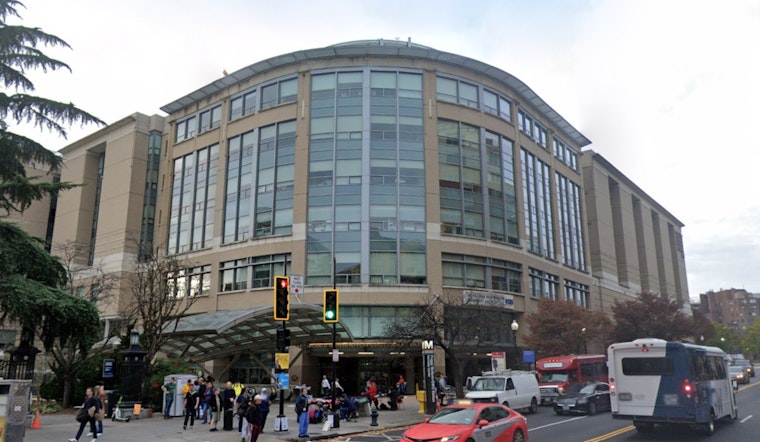
Hundreds of resident doctors at George Washington University Hospital, positioned at the brink of a labor strike, have reached a last-minute tentative deal with the university. The settlement, brokered just hours ahead of a planned walkout, appears to have hinged on the institution finally addressing the residents' demands for improved compensation and mental health support. As per a statement obtained by WUSA9, the university announced yesterday that "the residents union negotiators and the university reached a tentative agreement on a contract."
After protracted negotiations spanning over a year, signs of stress among the unionized workers at the hospital had been escalating. The proposed strike, prompted by grievances over long hours often exceeding 80 per week with hourly pay reported as low as $15, became a serious possibility after nearly 99% of the union members voted in favor of it. “We hoped it would not get this far and remain committed to bargaining in good faith to achieve what we need at the bargaining table," the Committee of Interns and Residents declared, in a statement highlighted by WUSA9.
The decision to strike was catalyzed in part by an unfortunate incident earlier in the year, where a third-year resident at GWU Hospital died by suicide, leaving behind a note that underscored the severe burnout and believed that his peers might be at similar risk. This cast a spotlight on the critical need for supplemental mental health support within the program—a proposal that had been previously rejected by GWU leadership. According to a report by The Washington Post, resident physicians at GW Hospital called off the strike after attaining concessions for higher wages, more vacation time, and importantly, funding for mental health care.
The university's late pivot to accommodate the residents' demands underscores the pressures facing medical professionals, particularly in training, as they negotiate the fraught terrain of American healthcare. "We're here because we care deeply about our patients and this institution, but we cannot continue to give everything we have while GW leadership continues to delay," one neurology resident, Dr. Elsa Alaswad, told WUSA9. Union representatives have cited alarming statistics regarding burnout, with 50% of resident doctors affected, and clinical depression impacting 25%—suicide rates among these medical practitioners are persistently high.
Residents like Dr. Neha Gupta, a resident physician in emergency medicine, expressed fatigue over the protracted bargaining process, lamenting to DC News Now earlier this month: "It does feel like we are going in circles, and we constantly keep bringing things to the table …basic things that we need, like adequate pay, mental health coverage." While the specifics of the tentative agreement remain to be disclosed, for many resident physicians the move represents a late but welcomed acknowledgment of their essential role within the healthcare system and the importance of safeguarding their well-being.




