

























































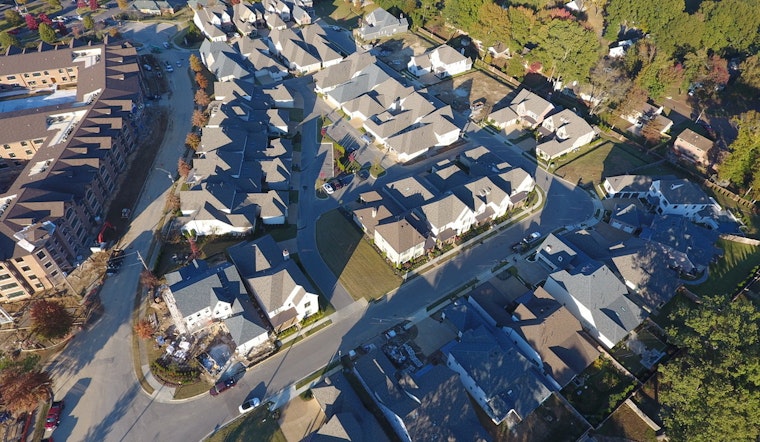
In a move to safeguard the tranquility of residential areas, Germantown's local government has put its stamp on a new ordinance that targets business-related disruptions burgeoning within neighborhood confines. According to an announcement from the City of Germantown's official website, the Board of Mayor and Aldermen (BMA) sanctioned the Ordinance 2024-14 after a third reading, which serves to reinforce the zoning laws by placing a prohibition on commercial events in residential zones where entry fees are collected, with Fortifying measures have been introduced to protect the residential character and peace of neighborhoods in Germantown, particularly through the newly approved Ordinance 2024-14.
The latest regulation update, now in effect, imposes a ban on all events hosted for business reasons in residential domains where admission is monetized—whether by selling tickets, mandating donations, or implementing other chargeable means however, schools, civic, and religious groups are not affected by this ordinance when organizing fundraising activities and any event that receives the green light from the City's Special Events Committee is also exempt. This legislation sprouts from incidents earlier in the year, including one problematic party on Forest Hill Irene Road, which featured ticket sales and illicit alcohol distribution leading to legal action by city authorities.
"Protecting the peace and character of our neighborhoods is essential," Mayor Mike Palazzolo expressed in a statement, emphasizing Germantown's resolve to preserve the serene and enjoyable aspects of community life. The ordinance revision, initiated by the Planning Commission in October, underscores Germantown's commitment to maintaining the tranquil enjoyment of its neighborhoods while tactfully navigating contemporary urban challenges.
Residents and interested parties can peruse the full text of the ordinance and understand the implications for their community engagements by visiting the City of Germantown's official website, the local authorities continue to encourage sound usage of residential spaces, particularly in how they interplay with the desires for communal gatherings and entrepreneurial zeal.



