

























































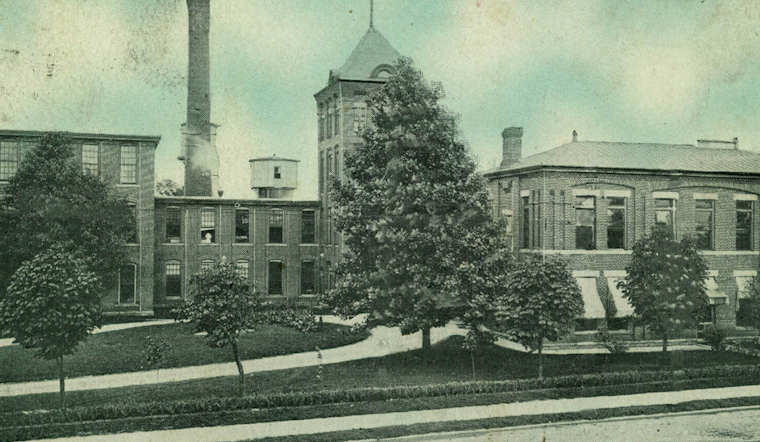
The City of Hamilton has recently garnered over $4 million in historic preservation tax credits to transform two landmark buildings, breathing new economic life into their storied edifices. The two structures in question are the former Hamilton YWCA on Dayton Street and the Shuler Benninghofen Mill on Pleasant Avenue.
As reported by the City of Hamilton, the Hamilton YWCA, which has sat vacant for the previous two years, has been allocated a $540,000 tax credit, which will fund its conversion into 42 market-rate apartment units. While ensuring the preservation of its historical features, the YWCA's revival is set to add a modern touch to the German Village.
Shuler Benninghofen Mill's grant of $3.5 million is earmarked for a significant redevelopment into a mixed-use facility comprising 100 new apartment units with an additional 10,000 square feet of commercial space. In striving to maintain the antique industrial appeal, the project is expected to foster progressive change in Lindenwald, which stands as Hamilton's largest neighborhood.
City Manager Craig Bucheit expressed the revitalization's anticipated impact, telling the City of Hamilton, "This is a huge win for the community. This announcement moves a very important project closer to reality—one that will add 100 housing units to help address our city’s housing shortage and spur revitalization in a key corridor." For Lindenwald, though, this is extra special. Bucheit's elation is notably shared by local residents, especially PROTOCOL and Frank Downie members, who are ardently involved in the neighborhood's uplift.
Both redevelopment projects represent significant strides in harmonizing Hamilton’s architectural legacy with its contemporary development goals. These efforts exemplify a clear vision towards enhancing Hamilton's residential and commercial landscapes, making strides in creating an inviting cityscape for both living and working. It’s an early holiday gift for Hamilton, unveiling a legacy restored and refashioned for the years ahead.





