

























































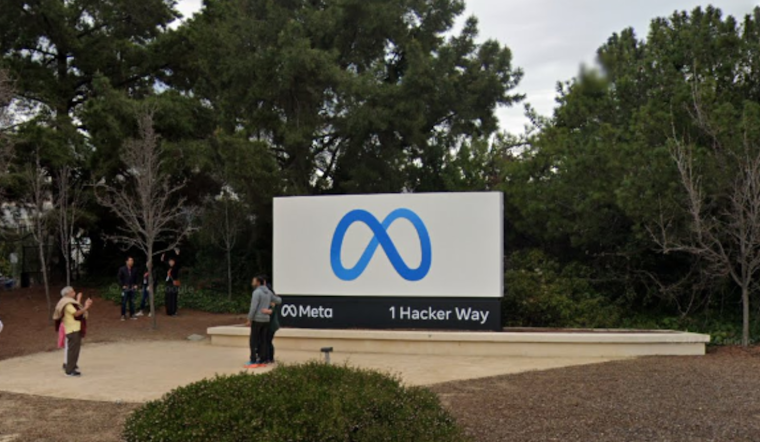
In a bold move within the tech sphere, Meta Platforms has requested that California Attorney General Rob Bonta intervene to prevent OpenAI, the creator of ChatGPT, from shifting its corporate structure from a non-profit to a for-profit entity. This request coincides with allegations that OpenAI is utilizing assets it accumulated as a charitable organization for private profit.
According to correspondence seen by The Wall Street Journal, Meta outlined its concerns that the actions of OpenAI could set a problematic standard in Silicon Valley. In an assertive tone, the letter stated, "OpenAI should not be allowed to flout the law by taking, and reappropriating assets it built as a charity and using them for potentially enormous private gains." This development also finds Meta aligning with Elon Musk, despite a history of disagreements between Musk and Mark Zuckerberg, Meta's CEO.
A key factor in this dispute is the lucrative success of ChatGPT, which reportedly generates billions in yearly revenue. OpenAI's CEO, Sam Altman, has articulated the need for the company to discard its non-profit status to lure investors, which is crucial for funding their far-reaching goals. Nonetheless, the company has agreed to return its recently raised funds if it fails to transition to a for-profit structure within two years.
Meta’s letter to General Bonta, which The Verge reported, asserted potential ethics and legal violations. The letter stated that OpenAI's conduct "could have seismic implications for Silicon Valley." The letter further intimates that this restructuring could entice other technology startups to adopt a similar approach—launching as non-profits and then pivoting to for-profit entities once commercially viable technologies are developed.
Responding to these charges, OpenAI board chair Bret Taylor told The Verge, "While our work remains ongoing as we continue to consult independent financial and legal advisors, any potential restructuring would ensure the nonprofit continues to exist and thrive, and receives full value for its current stake in the OpenAI for-profit with an enhanced ability to pursue its mission." This remark suggests that, despite the controversy, OpenAI's mission to benefit humanity with its AI technology remains at the forefront of the restructuring strategy.





