

























































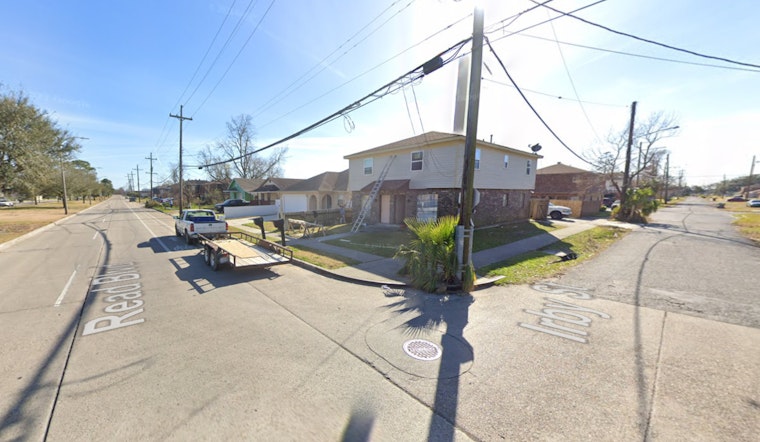
Residents of New Orleans East are facing a precautionary boil water advisory after a water main break at the corner of Read Boulevard and Irby Street caused a drop in water pressure that could allow potential contaminants into the water supply. The advisory, which affects specific areas including Morrison Rd., Paris Rd., Hayne Blvd., and Poitevent Ave., was announced by the Sewerage & Water Board of New Orleans (SWBNO), as reported by WGNO.
The SWBNO acted following consultations with the Louisiana Department of Health. An area's water pressure fell below the safety threshold of 20 psi, according to SWBNO officials, raising the risk that bacteriological contaminants could potentially infiltrate the water system. Crews have since restored the water pressure, and water quality samples are currently being tested with results expected within 24 hours, as stated by SWBNO officials and WDSU.
During the boil water advisory, residents are advised to use bottled or thoroughly boiled water for drinking, cooking, washing food, and brushing teeth. The advisory also extends to cautionary measures for those with weakened immune systems, including handwashing and bathing practices which should involve boiled or bottled water as well. Additionally, the CDC advises even against the use of tap water that has passed through a kitchen filter, as most do not eliminate bacteria or viruses. Instead, they recommend using a UV water disinfection system for effective kill bacteria or viruses, as noted in WWLTV coverage.
Instructions for personal hygiene and bathing during the boil advisory have been widely disseminated, cautioning against ingesting any water during showers and baths, and advising that infants, young children, and disabled individuals be supervised to ensure that no water is ingested. Officials also pointed out that while laundry and dishwasher use may continue, one should be careful not to use tap water to make ice, and to discard any ice made with tap water once the advisory is lifted. These guidelines serve as interim measures until the advisory is lifted, when residents can resume normal use of the water supply.




