

























































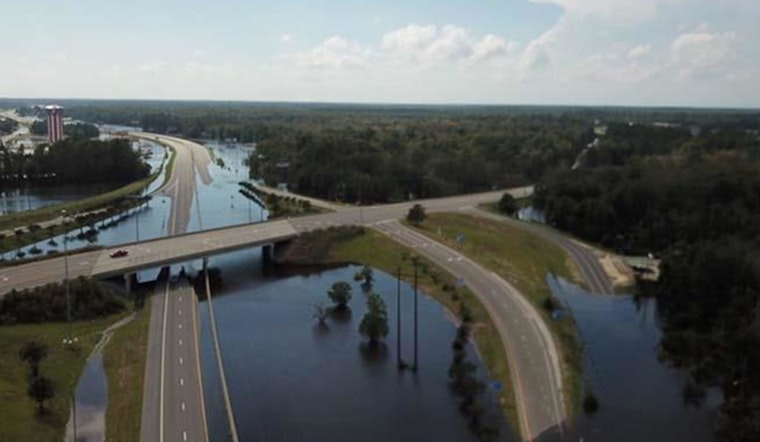
In a move to sharpen the state's disaster response abilities, a notable federal grant has been awarded to the North Carolina Department of Transportation's Division of Aviation, paving the way for a sophisticated drone program. This grant, part of a large infrastructure initiative, was announced this Monday and comes on the heels of the devastation wrought by Hurricanes Helene and Florence, according to NCDOT.
The U.S. Department of Transportation is funneling $1.1 million into the state's efforts through its SMART Grants program, placing NCDOT among 47 recipients that contended for this federal aid. "We are thrilled,” Nick Short, interim director of NCDOT's Aviation Division, told NCDOT. He explained the challenges faced during past natural disasters, where traditional infrastructure was unusable, severely limiting emergency response.
The grant is set to fund the development of 'drone-in-a-box' technology that can be deployed remotely to provide rapid damage assessment and critical supply delivery. "With the 'drone in a box,' we can place a drone with medicine like insulin on the side of a road and then those supplies are there and ready to be deployed right away," Short said in a statement obtained by N.C. Department of Transportation.
This technology is not entirely new to the NCDOT, who, alongside agencies such as the N.C. Department of Public Safety and the National Guard, successfully gathered crucial imagery during Hurricane Helene's aftermath using drones. The upcoming program expects to enhance disaster readiness particularly in regions like Lumberton, a town in Robeson County that has seen its share of calamity during Hurricane Florence in 2018. “These storms tend to impact people in historically disadvantaged communities where roads and other infrastructure become inundated faster, and for longer periods of time than many other communities," Short disclosed to N.C. Department of Transportation.
The program's pilot phase will be instrumental for Lumberton, which has frequently been a victim to the wrath of natural disasters. But, the scope extends beyond just this locale, with state aviation officials planning to evaluate this drone technology for wider disaster response applications across North Carolina. Critical steps will include environmental research and community feedback, which according to Short, are covered by the grant. For those interested in the broader context of the SMART Grants initiative, further information can be sourced from the USDOT’s website.





