

























































As we close out 2024, the Department of Energy’s Oak Ridge National Laboratory (ORNL) has put a bow on its achievements in science and innovation. According to an original report on Oak Ridge National Laboratory's website, the year has been packed with significant strides made in fields as diverse as energy tech, material sciences, and environmental studies.
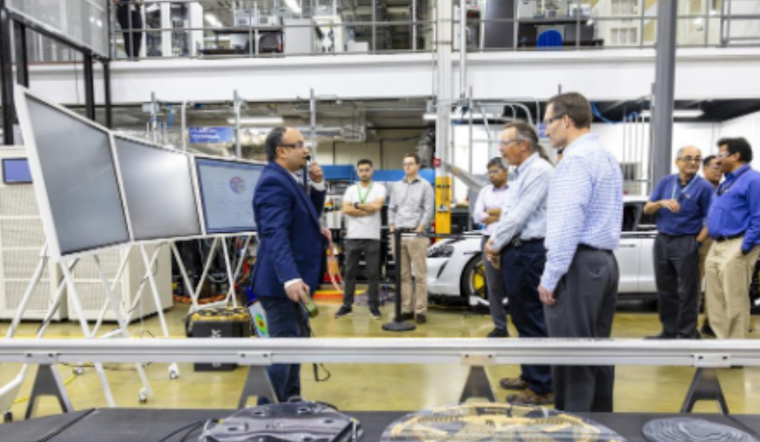
Starting with the foundations of energy technology, ORNL scientists have managed to unlock the potential of promethium. This rare-earth element is now set to open doors to novel applications for energy and quantum technologies. With a futuristic bent, ORNL also smashed records by wirelessly transferring 270 kilowatts of power to rapidly charge electric vehicles—a development that could eventually revolutionize the infrastructure of EV charging. Notably, this technology arms the industry for a more convenient, connector-free charging solution for the heavier electric vehicles on our roads.
In an eco-friendly pivot, their researchers introduced a new sustainable "green floor" material, aimed at reducing carbon emissions in construction and making the industry more sustainable. Simultaneously, taking a more granular approach, a new method for extracting lithium has been developed which promises to bolster the supply chain for one of the critical components in electric vehicle batteries.
Turning to environmental considerations, ORNL’s study revealing a 31% increase in global plant carbon uptake has stirred the pot in climate science. This data contributes crucially to predictive climate models and informs strategies aimed directly at leveraging natural processes for carbon sequestration. This finding bolsters the understanding of plant biology within global ecosystems, becoming a keystone in strategizing against climate change.
ORNL's fingers have also been in the proverbial interplanetary pie, as they lent powerful supercomputers to NASA’s Mars missions, ensuring the safe landing of spacecraft by simulating optimal trajectories and conditions. And back on home soil, they've been busy pushing manufacturing boundaries, this time with large components for hydropower systems, which could bring down costs and expedite the deployment of sustainable energy sources.





