

























































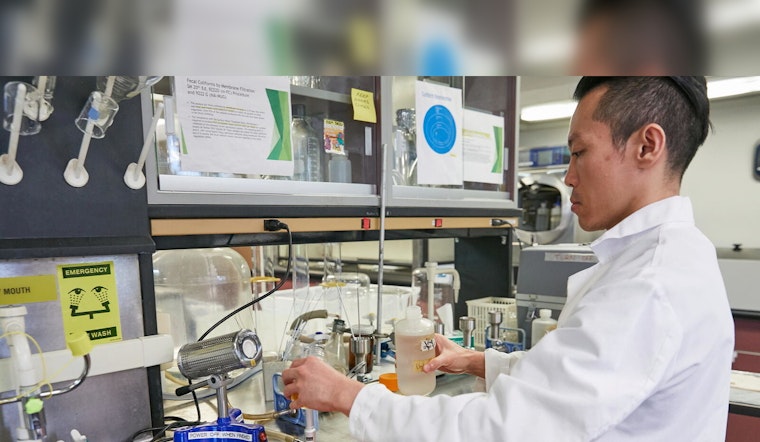
Portland residents have a reason to keep an eye on their tap water, as recent tests have turned up traces of Cryptosporidium at the Bull Run Watershed, the city’s primary source for drinking water. Tests conducted between December 15 and December 18 revealed the presence of this microscopic parasite, known to potentially cause illness. According to results posted on the City of Portland’s website, one Cryptosporidium oocyst was found in samples from both December 16 and December 18, with three oocysts detected on December 17. It's important to note, however, that the Water Bureau confirmed there was no detection in the sample from December 15. Before this, the parasite was last identified on December 9.
The detections were gleaned from routine monitoring, which has consistently picked up low levels of Cryptosporidium since 2017. While currently the Water Bureau does not treat its water for Cryptosporidium, plans are underway to ensure a treatment facility is operational by September 30, 2027, as part of a regulatory compliance schedule with the Oregon Health Authority, as reported by the City of Portland. In the interim, the Bureau has committed to quickly adopt measures for watershed protection and ramped up monitoring to safeguard public health. Nonetheless, consulting public health officials have advised that no additional precautions are necessary for now.
The exposure to Cryptosporidium can entail something far from trivial for those with weakened immune systems. It can cause cryptosporidiosis, which brings with it a suite of unpleasant symptoms such as diarrhea, vomiting, fever, and stomach pains. However, those blessed with a robust immune health typically recover without intervention. The Centers for Disease Control and Prevention warns that more vulnerable groups, which include AIDS patients, those with certain genetic diseases, and people undergoing immunosuppressive therapies for cancer or organ transplants, may suffer more and could face severe or life-threatening illness.
For those seeking more information or with concerns, the Portland Water Bureau maintains an open line of communication. The Water Quality Line, at 503-823-7525, is readily available to answer queries on water quality and the current situation, the City of Portland noted.



