

























































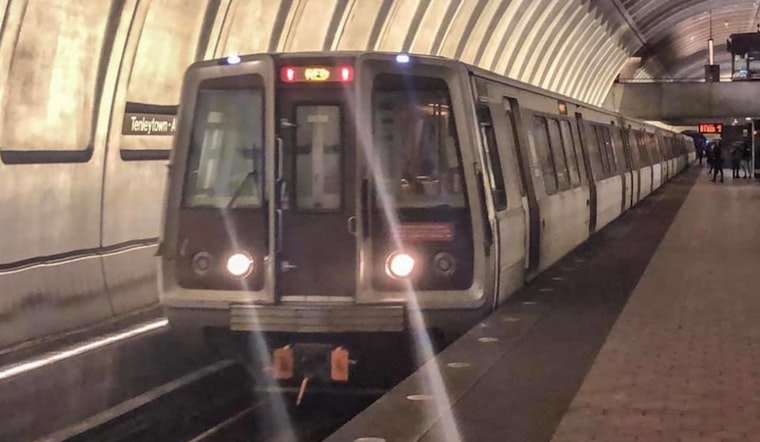
As the Red Line Metrorail in Washington, D.C., greeted automatic train operations (ATO) yesterday, the transition back to automation after 15 years met with mixed reactions from commuters and minor first-day technical glitches. On the inaugural day of ATO, several trains reportedly overshot platforms, which Metro officials swiftly addressed, ensuring no significant interruptions to the service, as per a spokesperson for the transit authority NBC Washington reported.
The renewal of ATO marks a return to the original intent behind the Red Line's conception, with automated systems designed for efficiency and reliability in urban transit, first established when Metro opened in 1976. Yet, the long hiatus following a deadly crash in 2009, caused by a track defect rather than the ATO itself, has made passengers wary of the return to a hands-free operation even though humans still quietly stand by, ready at the helm, the Washington Metropolitan Transit Authority (WMATA) assures riders that significant track and safety improvements have been implemented, which was echoed by DC News Now.
Rider feedback ranged from enthusiastic endorsements of the expected service improvements to cautious optimism. Tim Brennan, a frequent Red Line passenger, expressed early excitement for the automated services potential to extend operating hours though some concerns lingered about the possibility of job losses as a result of newfound efficiencies a sentiment that is countered by WMATA's certainty that train operators remain an essential part of the system's functionality, according to DC News Now.
As passengers experienced the first day's operations, the supposed smoother rides and quicker commute times were apparent to some, such as Hannah Latif and Preeti Kulkarni, who told 7News about their positive experiences while other riders like Shais Rishon maintained reservations, arguing that no matter who or what controls them, brakes will act the same in situations of necessity these conflicting views depict a cross-section of opinion on progress and reliance on automated technology.
The WMATA plans to roll out the ATO system across the entirety of its network by the end of 2025, promising a future in which speed and punctuality may signify more than just numbers on a schedule but a return to an era when trust in the mechanics of movement was implicit and unchallenged, the technology's potential to enhance energy conservation through optimized acceleration and braking appear to signal a new dawn in metro operations, indicating a commitment to not only improving the passenger experience but adapting to a world evermore conscious of environmental impacts, according to the WMATA's announcement on their website.





