

























































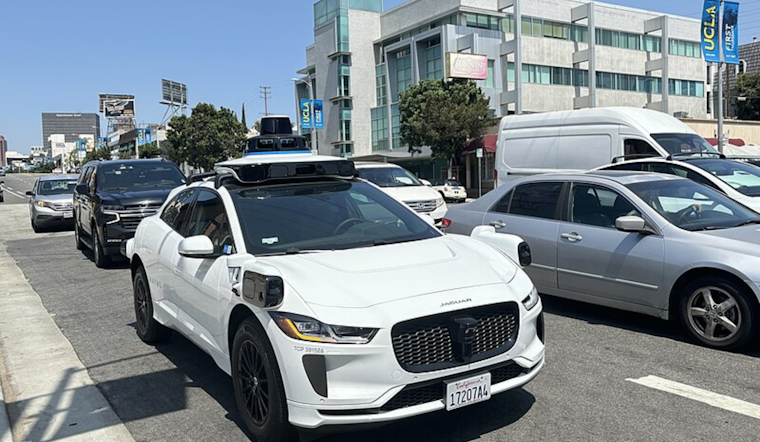
According to a report by UC Berkeley and the Oliver Wyman Forum, leading the pack toward an efficient and sustainable future of urban transport, San Francisco has snagged the top spot for the second time in the Urban Mobility Readiness Index. The city is applauded for its early adoption of robotaxis and its steps towards electrifying its bus fleet, highlighting its commitment to innovation and reducing its carbon footprint. Additionally, a $40 million investment to construct affordable housing near transit lines demonstrates the city's approach to integrating transportation with social policy.
The 2024 edition of the index saw the inclusion of a new subcategory, Technology Adoption, where San Francisco's autonomous vehicle initiatives, its AI integration, and investments in EV-charging infrastructure have brought it to the forefront of urban mobility solutions. Despite these advancements, San Francisco still has its fair share of challenges, as noted in a recent SFGate report. The city lags behind the likes of Singapore in terms of public transit efficiency and integration, and its cycling infrastructure is yet to catch up with the demand, partly due to the area's varied topography.
Muni rider satisfaction, however, is at an all-time high since surveys began in 2001, with 72% service approval, as reported by SFGate. The financial landscape, though, is strained by the failure of Proposition L, which would have been a significant source of revenue for the transit agency, signaling a concern for future budgets. As with any city keen on transforming its transit system, consistent investment is vital, a principle corroborated by the Urban Mobility Readiness Index, as reported by the Oliver Wyman Forum.
It’s not just San Francisco stepping on the accelerator; global cities are vying for the lead in mobility innovation. Los Angeles is laying the groundwork for air taxi services for the 2028 Olympics, and Shanghai has boasted of commercial air taxi operations since August 2024. Oliver Wyman Forum forecasts the global air taxi market to soar to $3.1 billion by 2030 despite existing regulatory and economic hurdles. In a constantly evolving landscape, public transit is experiencing a resurgence post-COVID, with cities like Singapore and Quito making great strides in public transit efficiency and accessibility, according to the Oliver Wyman Forum report.





_on_Westwood_Boulevard_(2024).jpg)