

























































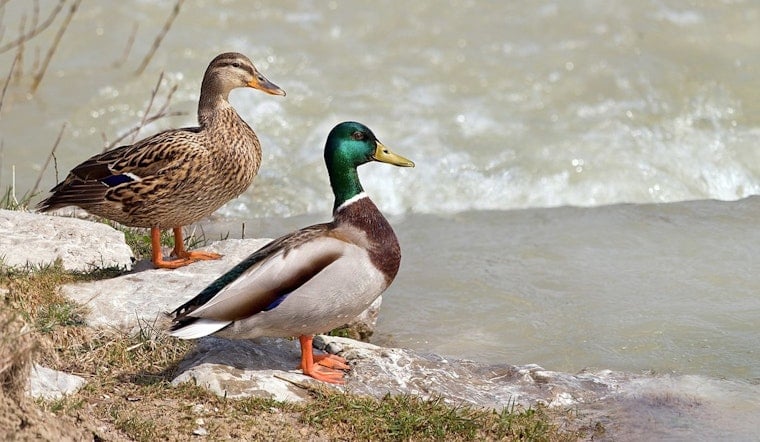
Texas health officials are sounding the alarm over bird flu after a duck in Galveston tested positive for the virus, with the CDC confirming the first severe case in the country. In an effort to quash the spread of the Avian Influenza virus, known also as bird flu, public health advisories are stressing the importance of preventative measures, especially for those who work with birds or livestock.
According to a statement obtained by FOX 7 Austin, the disease can transfer from wild birds to domestic bird species, increasing the risk of human exposure. "It's a form of flu that's sort of native to birds, wild birds. We often see it in migratory birds, like waterfowl, those kinds of wild birds. But it can jump from two other domestic bird species, which is where it's, you know, more likely to come in contact with people," Chris Van Deusen from the Texas Department of State Health Services explained.
A person in Louisiana has been hospitalized after coming into contact with the bird flu, marking what appears to be the first severe case linked to the virus in the nation. Van Deusen detailed the mode of transmission to Yahoo News, stating, "It is spread by birds through their body fluids. So, through saliva, through droppings. And that is how if another animal, including a person, comes in contact with that, rubs their eyes or breathes it, and gets that in their body in some way."
The case count has risen since April, with now a total of 61 human cases of bird flu speculated around the United States. Back in Texas, during the spring, a rather mild case involved a dairy worker who exposed to sick cattle that he was working with, which was supposed, has alarmed health officials to the zoonotic potential of the virus. "We actually had a case in Texas back earlier this year, back in the spring. That was a fairly mild case. You may remember that it was a dairy worker who, it seems, was exposed through sick cattle that he was working with," Van Deusen told FOX 7 Austin.
For those in Austin who keep backyard birds, Van Deusen advised creating barriers to prevent direct contact between domestic fowls and potentially infected wild birds. The CDC recommends avoiding contact with sick or dead animals and wearing protective gear when handling birds and livestock. Van Deusen added, "Some of the regular antivirals like Tamiflu can be effective either in preventing someone from getting sick after they've been exposed or keeping their illness more mild."
An ongoing investigation seeks to uncover the specifics behind the severe bird flu exposure in Louisiana, urging the public to remain vigilant, especially those in frequent contact with birds. As the situation unfolds, health officials stress the importance of reporting any suspected cases and adherence to the suggested precautions to stave off further spread of the virus.





