

























































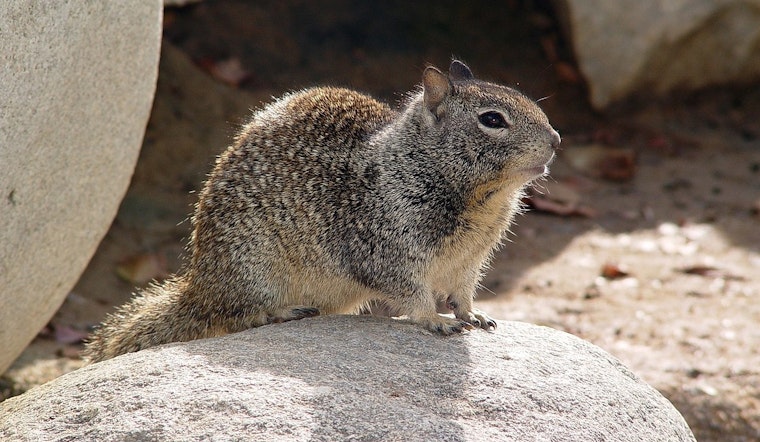
Northern California's squirrel population might just have pivoted to a more predatory lifestyle, according to recent research. A UC Davis study presents what's being touted as the first extensive evidence of squirrels showing a taste for meat, specifically targeting the area's voles. CBS Sacramento reports that these findings challenge the prevailing view of squirrels as primarily nut and seed gatherers.
Leaping out from the confines of conventional understanding, these squirrels were caught in the act. Observations conducted between June and July at Briones Regional Park revealed that ground squirrels were seen actively hunting voles in nearly half of all their observed interactions. Jennifer E. Smith, lead author of the UC Davis study, stated with a hint of surprise, "This was shocking," as noted by CBS Sacramento. Meanwhile, Dr. Sonja Wild couldn't initially trust the reports from her undergraduate students, suggesting the unconventional behavior of these furry critters. "I could barely believe my eyes," Dr. Wild told Fox40 after verifying the evidence herself.
The research didn't just stop at anecdotal sightings; videos uploaded to YouTube provide clear evidence of this carnivorous behavior, ensuring that the data isn't just some nutty accusation but a fact to be reckoned with. Despite the predatory practices peaking alongside a surge in vole numbers, the squirrels didn't seem to have an appetite for hunting other animals, narrowing their palate strictly to these small mammals.
Published in the Journal of Ethology, the collaborative study between UC Davis and the University of Wisconsin-Eau Claire spotlights the squirrels' adaptable nature. As reported by CBS Sacramento, "The fact that California ground squirrels are behaviorally flexible and can respond to changes in food availability might help them persist in environments rapidly changing due to the presence of humans," said Wild.
With summer on the horizon, researchers are energized to unravel additional mysteries about these critters. Questions linger about the pervasiveness of this hunting behavior and whether it's a learned skill passed down through generations or a more sporadic response to environmental pressures. Nonetheless, what's clear as day is that there's more to these squirrels than their innocent, seed-crunching façade may have led us to believe.



