

























































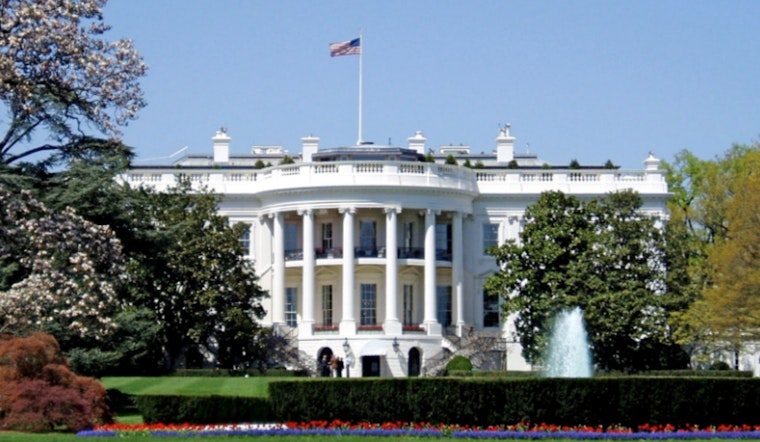
In a respectful nod to the past, the White House announced that January 9, 2025, will be a day when executive departments and federal agencies shut their doors to honor the late James Earl Carter, Jr., the thirty-ninth President of the United States. According to the statement issued, "All executive departments and agencies of the Federal Government shall be closed on January 9, 2025, as a mark of respect for James Earl Carter, Jr." This decision reverberates through the halls of government, as employees prepare for a day of remembrance.
While federal offices will primarily remain nonoperational, the executive order permits agency heads some discretion. They can decide if certain offices, must remain open for reasons critical to national security, defense, or other public need. Sec. 2 of the order states, "The heads of executive departments and agencies may determine that certain offices and installations of their organizations, or parts thereof, must remain open and that certain employees must report for duty on January 9, 2025, for reasons of national security, defense, or other public need," as per the White House.
The day of closure aligns with past precedent, falling under the purview of Executive Order 11582 and statutes related to employee pay and leave. In effect, staff will not suffer financially for the day of closure. It will be treated akin to a federal holiday in terms of compensation and leave benefits. This integration with existing protocol ensures a smooth transition to closed doors in respect of President Carter.
Additionally, the Office of Personnel Management is charged with implementing this order, ensuring compliance across the plethora of agencies and departments. "The Director of the Office of Personnel Management shall take such actions as may be necessary to implement this order," the proclamation mandates, setting into motion the practical aspects of enacting a widespread temporary shutdown. Moreover, it is clear that this executive order is not meant to affect existing legal authorities or fiscal appropriations.





