

























































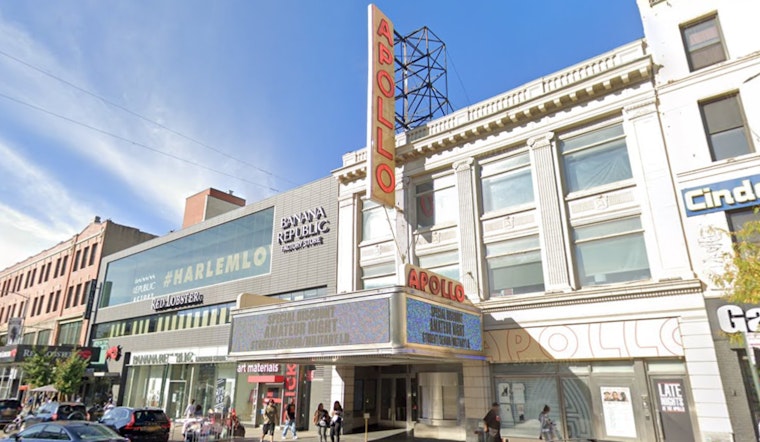
The Apollo Theater, in collaboration with WNYC, held its annual event to honor Martin Luther King Jr.'s legacy, bringing to the fore discussions on racial equality and justice. According to Gothamist, the program titled "A Burning House – MLK and the American Experiment," featured a lineup of activists, academics, and artists who delved into the impact of Dr. King's teachings against the backdrop of modern-day systemic racism.
Keynote speakers at the event included Rashad Robinson, former president of Color of Change, and Jeanne Theoharis, a political science professor at Brooklyn College, as detailed by Gothamist. They both highlighted the less acknowledged aspects of segregation in the North, with Theoharis notably stating, "The tools of school segregation began in places like New York and Boston before the Civil War." This shines a light on the often overlooked role that Northern states played in perpetuating racial divisions, even as the South has traditionally been seen as the epicenter of racial segregation problems.
Amid the roster, Rev. Dr. Jacqui Lewis and Jonathan McCrory also gave personal accounts of how Dr. King's work influenced their lives. Lewis reflected on the fear ignited by the fires and violence following King's assassination, and how it pushed her to become a "drum major for peace." McCrory, on the other hand, emphasized the importance of agape - a selfless, nurturing love - noting that "2025 will be a moment to both choose where you invest your time and where you give your grace," as reported by Gothamist.
Dr. Christina Greer from Fordham University pointed out King's broader appeal, reminding the audience that "He also mobilized poor white people," as Dr. Greer told Gothamist. Greer highlighted the misplaced blame on immigrants by U.S.-born individuals who are struggling, attributing the real cause of their struggles to "multinational corporations shipping their jobs overseas."
For those who couldn't attend in person, the event was also available via livestream, and aired on WNYC, providing audiences with the chance to remotely engage with these critical conversations. The lineup of featured guests, detailed by WNYC, included figures such as Irvin Weathersby, Jr., an author and professor at City College of New York, and performances by musical talents like The Unsung Collective led by Dr. Tyrone Clinton, Jr., as well as Troy Anthony and the Fire Ensemble.
As the event sought to reaffirm King's vision for a just society, it also posed a stark reflection on how leaders from city to federal levels reckon with present challenges. Theoharis expressed criticism of recent policy decisions in New York, suggesting that Dr. King today would have continued to push for change across the board. "I think he would be asking us to both look at Washington and at New York City," Theoharis commented to Gothamist. This critique bears weight as society continues to grapple with questions of equality, justice, and how to honor the legacy of one of its most profound civil rights leaders.





