

























































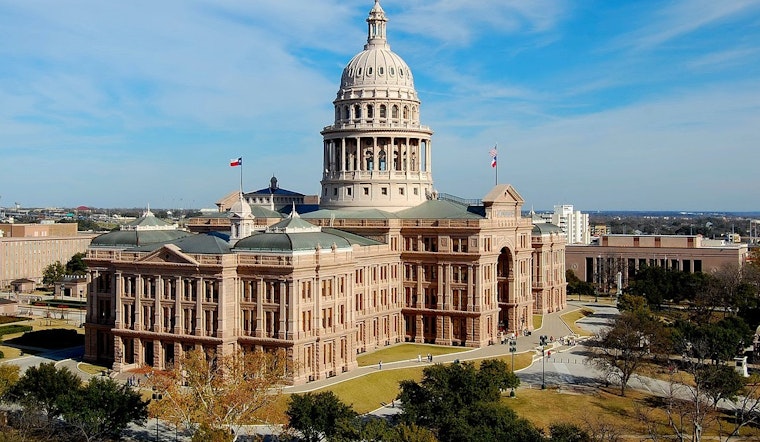
As the 89th Texas Legislative session commences, a political standoff brews, laying bare a stark ideological divide across the state. Austin's city leaders, known for their liberal leaning stances, are gearing up for potential collisions with the Texas Legislature which now boasts an ultra-conservative majority. According to CBS Austin, Austin's newly elected District 9 Council Member Krista Laine remarked on the sharp disconnect saying, “There are all kinds of bills out there that will negatively impact our local government's ability to meet the needs of its residents."
Among the leading concerns for Austin officials are proposals that could undercut school funding, advocate for vouchers, and modify property taxes which, as Laine points out, has significant implications for city dwellers, potentially stripping funds from public schools, and thus affecting the city's education system. District 2 Council Member Vanessa Fuentes voices her unease, “What I'm seeing are state bills [that] have been filed that focus on stripping away our authority and that prevent city leaders from providing protections and high-quality services to our residents.” These statements underline a distinct apprehension that overarching state authority may hinder Austin's local governance and its ability to deliver on its promises to residents.
On the state side, Lt. Gov. Dan Patrick has outlined an agenda for the legislative session seemingly at odds with Austin's priorities. School choice is a tentpole item for Republicans, aligning with Gov. Greg Abbott's long-contested initiative, per KVUE. Patrick also flags property tax relief, power grid improvement following the devastating winter storm of 2021, and a host of other issues, including fighting antisemitism on college campuses, and banning Delta 8 and 9 cannabis-derived products.
Meanwhile, the Democratic camp stands united in contradiction to their Republican counterparts. They resolve to protect public education from voucher programs, fortify the state's healthcare system, and make strides for both economic justice and affordable housing initiatives. Highlighting the economic disparities, State Rep. James Talarico of Austin told KVUE, “The vast majority of funding ends up going to rich parents who don't need any help, at the expense of working-class kids across the state."
In Texas, where long histories of political tugs-of-war are as much tradition as they are battle, the question looms: who will emerge with the ability to enact their vision? Behind the legislative proposals and fiery debates lies the impact on Texans' day-to-day lives: their taxes, their schools, their wages. As Mayor Kirk Watson notes in hope of a collaborative path forward, finding common ground seems a necessity for those at the lawmakers’ table, and for the millions whose lives are shaped by the laws they pass.





