

























































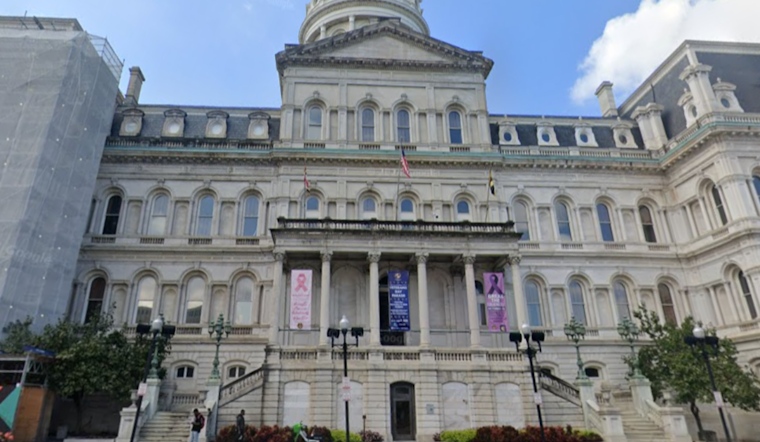
The issue of sewage back-ups in Baltimore has prompted action from the City Council. A resolution was passed urging the Department of Public Works (DPW) to expand assistance programs for affected residents. The resolution requests an extension to the Sewage Onsite Support (SOS) program, which helps residents clean up after sewer back-ups. While the resolution carries no binding power, it serves to amplify public pressure on the DPW.
In a recent statement reported by WYPR, Councilmember Paris Gray, who introduced the resolution, highlighted the discrepancy between the number of sewage back-ups reported by DPW and the actual aid provided to residents. Gray pointed out that only seven households received support despite 1,500 sewage back-ups being reported in fiscal year 2024. He described the situation as "not just a nuisance, this is a public health crisis," stressing the risks associated with exposure to harmful pathogens.
Pressure from council members has mounted due to concerns over residents being left responsible for clean-up costs related to city sewer line faults, with Councilman Paris Gray pushing for extended coverage under the SOS program. Joyce Jackson, a resident affected by these backups, shared her distressing experience by illustrating the severe damage to her home and her long-standing challenges in getting the city to address the underlying infrastructure issues. "If they could fix the problem on their side, we wouldn't have to go through this," Jackson stated, as per WBALTV.
Despite the City Council's efforts and the advocacy of residents, the response from DPW is delayed, citing ongoing negotiations as a reason. "Understanding the City Council’s interest in the outcome of this work and desire to achieve the best results for residents, DPW still remains in active negotiations with the U.S. Environmental Protection Agency (EPA) and the Maryland Department of the Environment (MDE) regarding potential revisions to the Sewage Onsite Support (SOS) Cleanup Program," Jennifer Combs, a spokesperson for DPW, wrote in an email cited by WYPR. The city must also adhere to a 2017 modified consent decree with the EPA/MDE, which called for setting aside $2 million for sewage clean-up.
DPW’s annual public meeting on sewage under the Modified Consent Decree for sewage overflows, which will be held at the Cylburn Arboretum Center on January 30th at 6 p.m., is expected to include further discussions and updates on the SOS program and related issues. WYPR's report details that the meeting will be held at the Cylburn Arboretum Center.




