

























































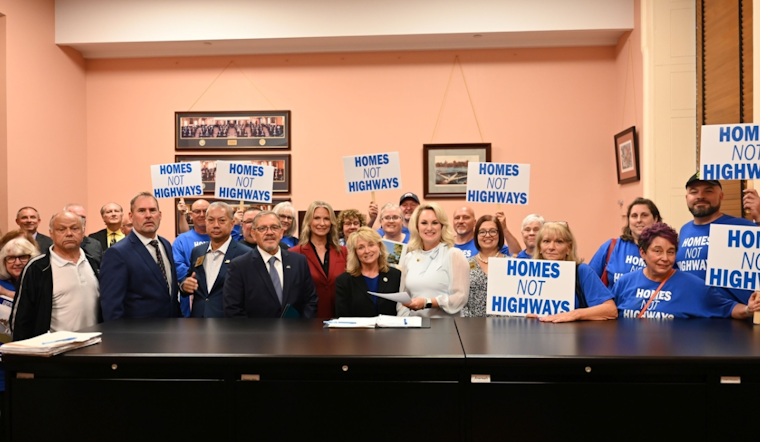
In Ohio, the pulse of concern from citizens in Brunswick and Medina County is being felt once again as State Rep. Sharon Ray (R-Wadsworth) pushes forward to reintroduce a piece of legislation aimed at halting construction plans for a controversial highway interchange. House Bill 276, a resistance against constructing an I-71 interchange at Boston Road - a project mandated in the State Transportation Budget for fiscal years 2024-25 - is back in the legislative pipeline, as reported by Ohio House News.
According to Ray's insistence, the proposed interchange would bring more harm than good, echoing the concerns of her constituents. "I will continue fighting for the citizens of Brunswick and Medina County as a whole," Ray stated via the Ohio House of Representative's official website. Disruptive impacts on local finance, community safety, and the looming threat of eminent domain, where residents could be forced from their homes, underscore the opposition. Ray is not working alone. State Rep. Melanie Miller (R-City of Ashland) co-sponsors this renewed legislative effort.
The bill's reintroduction signals a deeper narrative about who holds the reins when shaping local spaces and the lives unfolding within. With the bill now awaiting both a number and a committee assignment, it marks a testament to the persistent voices raising concerns over state-directed infrastructure projects that may not align with the will of the people directly affected by them.
These elected representatives attempt to leverage legislative power to reflect a broader conversation on governance, whether embracing a community's will or nudging them into conformity with broader state plans. Should House Bill 276 gain traction, it might serve as a crucial pivot point for the people of Brunswick and, by extension, for the prevalence of local sovereignty in such development matters.



