

























































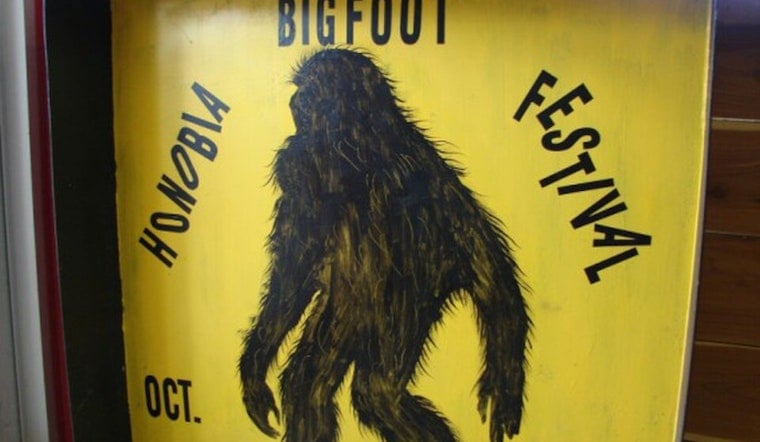
The Hocking Hills Bigfoot Festival returns to southeastern Ohio Aug. 14-15, bringing howling contests, group hunts through the woods, and veteran cryptid researchers to the Vinton County Fairgrounds in McArthur. Organizer Bea Mills says the two-day event is shaping up as a weekend road-trip destination for families looking to squeeze in one last adventure before summer break ends.
Mills, who has spent years building the festival from a small downtown gathering into one of the region's biggest annual draws, shared details about this year's lineup with WKRC. The festival includes howling contests, organized group hunts, and speakers who have searched for Bigfoot for years, giving attendees a mix of lighthearted fun and more serious field investigation. Mills is the festival's founder and organizer, and her event has become closely tied to the identity of the Hocking Hills region.
From Downtown Streets to a 150-Acre Fairground
The festival wasn't always held in McArthur. It started in downtown Logan, but rapidly growing crowds forced a relocation in 2025 to the Vinton County Fairgrounds, a venue spanning more than 150 acres with room for on-site camping, according to The Telegram News. The move reflected just how quickly the event outgrew its original footprint. The inaugural festival in 2022 drew more than 10,000 people to Logan, a town of roughly 7,000 residents, effectively more than doubling its population for a weekend, per the Statehouse News Bureau. By 2023, organizer estimates put turnout above 40,000 visitors, a scale that downtown Logan's streets were never built to handle.
Bea Mills brings a personal history to the festival that predates its public debut. She was named Bigfooter of the Year by Bigfoot Times in 2019, becoming the first woman to receive the honor, the Statehouse News Bureau reports. Mills has said she was once a skeptic before a field encounter in Hocking Hills in April 2014 turned her into a believer, a conversion story documented by Explore Hocking Hills. Before the open-air public festival existed, she founded the Hocking Hills Bigfoot Conference in 2016, an event that raised more than $30,000 for the Big Brothers Big Sisters Camp Oty'Okwa camper scholarship fund, according to correspondence from the City of Logan.
Why Southeastern Ohio Draws Cryptid Hunters
Ohio isn't a random backdrop for this kind of event. The state ranks fourth nationally for documented Bigfoot sightings, with more than 320 reported encounters logged by the Bigfoot Field Researchers Organization, trailing only Washington, California and Florida, per the Statehouse News Bureau. Regional folklore reinforces that ranking: the “Ohio Grassman” has appeared in stories dating back to the 1700s, while Hocking County has its own local legends, including the “Clear Creek Monster” and reported sightings near Rose Lake and Ash Cave dating to the mid-20th century, according to Explore Hocking Hills.
That blend of folklore and structured investigation shows up in the festival's programming. Speakers such as forensic investigator Steve Kulls present methods for evaluating eyewitness accounts, helping separate likely hoaxes from harder-to-explain wildlife encounters, per Hangar 1 Publishing. Those sessions sit alongside the festival's more playful offerings, including the howling contests and group hunts that WKRC highlighted as centerpiece attractions for this year's event.
Growth Brings New Rules and Strain on Local Services
The festival's explosive popularity is part of a larger regional pattern. Hocking Hills as a whole draws an estimated 4 million visitors annually, a tourism boom that strains emergency services funded by a permanent taxpayer base of only about 20,000 residents, according to WOUB Public Media. Local officials have been searching for new funding mechanisms to keep fire and emergency response adequately staffed as visitor numbers climb.
That strain helped drive a new county permit crackdown in Hocking County. In July, county commissioners enacted a special-event permit rule drafted by the local Emergency Management Agency, tightening oversight of safety planning, emergency response and traffic management for large public gatherings. The rule gives emergency officials direct authority over how event organizers structure their management plans, a shift aimed squarely at the kind of massive crowds the Bigfoot festival now attracts.
Ohio's cryptid tourism extends beyond Hocking County, too. Salt Fork State Park, another major hub for Bigfoot lore, opened a $4.9 million Eco-Discovery Center in April 2025 that uses an interactive Bigfoot figure to teach visitors about environmental conservation. For now, though, the spotlight is on McArthur, where Mills and her team are preparing to welcome another wave of believers, skeptics and curious families for a weekend built around Ohio's most famous unconfirmed resident.





