

























































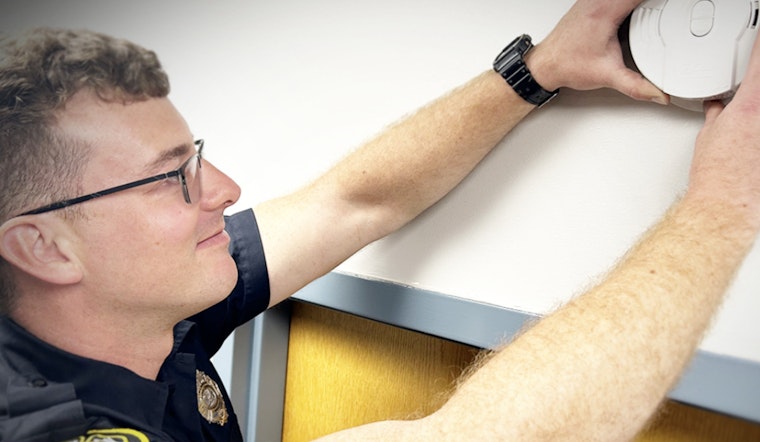
In the wake of a recent fatal fire on Montford Drive, Charlotte Fire is emphasizing the necessity of functional smoke alarms in every residence. Last Friday, a tragedy struck the community of Charlotte, where it was later found by the Charlotte Fire Investigation Task Force that, although alarms were installed on the lower level, none were present on the main floor where a fatality occurred. As reported by Charlotte Fire, this incident serves as a grave reminder of the consequences when smoke alarms are absent or non-functional.
Charlotte Fire Chief Reginald Johnson stated, "This heartbreaking incident highlights the importance of having working smoke alarms on every level of your home." The house fire statistics are daunting, with residences lacking operational smoke alarms facing double the death rate of those equipped. In light of this, Charlotte Fire is proactively furthering efforts to enhance community safety by offering free smoke and carbon monoxide alarms installations upon request. Eligibility is determined based on various factors including, housing type, and presence of existing alarms.
Smoke alarms are not just another household gadget; they increase the chances of surviving a house fire by more than 50%. It is estimated that 890 lives could be spared each year if all homes were equipped with working smoke alarms, sounding an early alert that enables families to evacuate swiftly.
Beyond the utility of smoke alarms, Charlotte Fire stresses the salience of carbon monoxide detectors, a critical tool in averting poisoning from the colorless, odorless gas that annually claims over 3,800 American lives. Charlotte Fire advises residents to install UL-approved carbon monoxide alarms on each floor and to perform monthly checks on the batteries, for ensuring these devices are ready to perform when most needed.
In addition to advocating for adequate detection systems, Charlotte Fire also shares preventative measures: never leave cooking unattended, maintain a safe distance between flammable items and heaters, avoid overloading electrical outlets, check cords for damage, use deep ashtrays and refrain from smoking in bed. These strategies are part of a broader fire risk reduction effort. Chief Johnson encapsulates the department's stance, “Prevention and preparation are key to saving lives.”




