

























































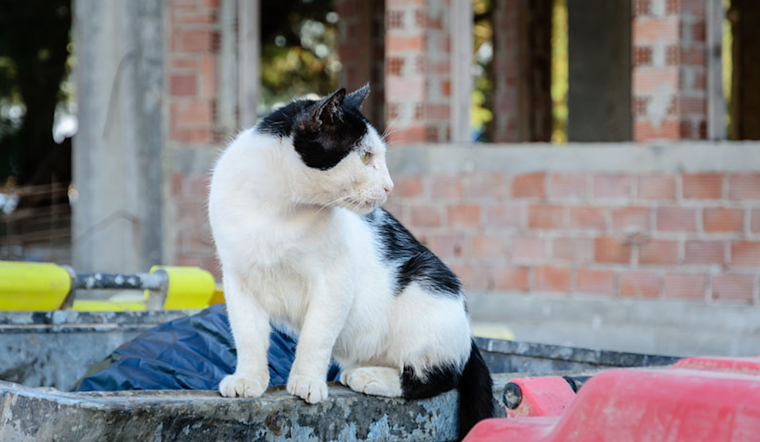
After a notable Ohio Supreme Court ruling that broadened the application of felony animal cruelty laws to include stray cats, the Eighth District Court of Appeals has upheld the conviction of a Cleveland man, Alonzo Kyles, who employed a corrosive agent to repel an animal perceived as a nuisance. Kyles, who, in a measure of fear or frustration, poured bleach in an apartment basement to drive away a stray cat, was indicted under R.C. 959.131(C), faced charges of knowingly causing serious physical harm to a companion animal, was convicted and sentenced to nine months in jail, according to Court News Ohio.
The case, initially faced with skepticism, stemmed from the status of the cat as unclaimed, a factor the defense leaned on, arguing that felony animal cruelty statutes should not apply to strays; however, this position was ultimately rejected. In response to Cleveland police testimony, Kyles articulated a narrative born not out of malicious intent but of self-preservation, as he told officers he was scared of the cat and thus began the act of pouring bleach. This choice led not just to the eviction of the feline from its refuge, but to its physical suffering.
Key elements of the evidence included reports from responding officers who arrived to find the feline in distress, its fur coated with a chemical known for its harsh effects, its paws bearing the signs of injury—red, swollen, unmistakable even to a cursory glance. The veterinarian's assessment confirmed these observations, and while the cat's initial prognosis sidestepped the most severe outcomes, the risk to its life and well-being hung palpable and potent in the air.
Judging the nature of Kyles' act involved a grappling with definitions—what makes an animal a companion, how do we gauge serious harm, the Eighth District's interpretation of these terms reflects a deepening of legal protections for animals irrespective of ownership. As Judge Emanuella D. Groves penned the conclusion, the evidence was substantial enough, leaving space for a reasonable jurist to ascertain that the harm to the cat met the threshold of severity outlined by statute, thereby confirming Kyles's conviction.
This decision, echoing from the legal epicenters to the alleyways and basements where countless animals seek refuge, serves as a precedent of accountability, whether the line between pet and stray is sharply drawn or blurred. It stands that in Ohio, the actions towards a stray garner consequence like those towards a pet—under the eyes of the law, the moral weight of cruelty bears no lighter.



