

























































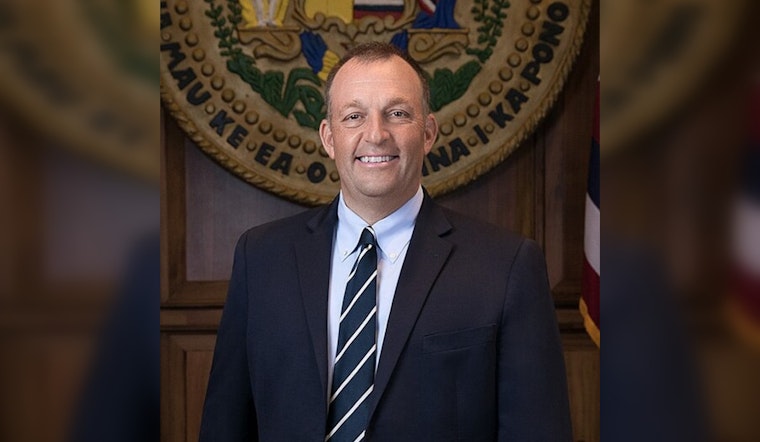
In a move affecting the electricity bills and sustainable future of Hawai'i, Governor Josh Green has signed an executive order prioritizing the development of renewable energy in the state. Amidst grid stability concerns and climbing energy costs, this directive accelerates the state's renewable resource development.
Set against the backdrop of federal ambiguity on clean energy policies, Governor Green's executive order aims to cut red tape affecting the approval processes for renewable energy projects. By doing so, the state anticipates a decline in energy costs and the prevention of blackouts, the Governor's office outlined. A year's worth of dialogues with energy stakeholders from across the state has shaped these new policy objectives, which include achieving a 100% renewable portfolio standard for neighbor island communities by 2035 – ten years ahead of schedule – and setting a cumulative total of 50,000 distributed renewable energy installations like rooftop solar and battery systems by 2030. In the middle of rising energy rates, Hawai'i looks to avert further fiscal strain on its residents and its economy through these initiatives.
“Hawaiʻi needs to take some drastic steps to reduce energy costs, which have continued to rise and have contributed to the high cost of living for our people,” said Governor Green in a statement obtained by the Office of the Governor. Citing the state's dependence on oil and outdated infrastructure as drivers of high energy costs, Green's administration is focused on changing the current trajectory. The governor emphasized that Hawai'i can and must rein in the escalating costs.
Outlining the rationale behind the executive order, Chip Fletcher, who serves as the Governor's climate advisor and interim dean of the School of Ocean and Earth Science and Technology at the University of Hawai‘i at Mānoa, told the Office of the Governor, “This EO represents the start of real action to lower costs, support a stable energy system, and reduce emissions.” Fletcher highlighted the significance of the governor's approach to slash the "red tape" for neighbor island communities, aiming for energy independence well ahead of previous commitments.
Rocky Mould, executive director of the Hawaiʻi Solar Energy Association, expressed enthusiasm over the state's direction, saying in a statement obtained by the Office of the Governor, “The goal of 50,000 distributed renewable energy installations before 2030 demonstrates the state of Hawaiʻi’s commitment to ensuring more affordable and resilient energy for Hawaiʻi’s people.” He conveyed optimism for transformative opportunities in solar energy and energy storage in achieving a clean, decarbonized grid as envisioned by Governor Green's leadership.
Among a cadre of states wading through the unpredictability of federal stances on renewable energy, Hawai‘i stands out with some of the highest average residential energy rates in the nation. This executive order marks a critical step in addressing the economic and environmental concerns, enhancing the state's grid stability, and ultimately alleviating the financial burdens of its citizens. Energy cost increments have notably caused a $15 million recurring increase in the Department of Education's operations budget as part of the Governor’s latest biennium budget, underlining the urgency for a shift to sustainable energy practices.





_1cropped).jpg)