

























































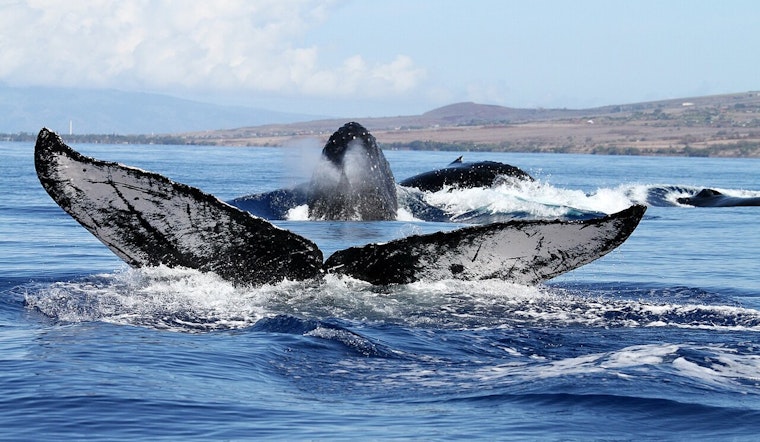
The recent discovery of a deceased humpback whale calf off the coast of Hawaii has mobilized state and federal agencies into action. The Department of Land and Natural Resources (DLNR) through its Division of Conservation and Resources Enforcement (DOCARE) and the Division of Aquatic Resources (DAR), alongside the National Oceanic and Atmospheric Administration's (NOAA) National Marine Fisheries Service (NMFS), are coordinating a comprehensive response following this somber incident, as per the Office of the Governor.
Authorities are in collaboration with the Hawaiian Islands Humpback Whale National Marine Sanctuary in an effort to quickly, yet respectfully, move the whale remains to an offshore location. This action comes at the behest of Native Hawaiian cultural practitioners. In their endeavors to fully recover also and examine the deceased juvenile cetacean, experts from the University of Hawai‘i’s Health and Stranding Lab, as well as Maui Ocean Safety personnel, are lending their specialized expertise.
The integration of cultural practices in the response to marine wildlife deaths reflects Hawaii's commitment to preserving its indigenous heritage. The DLNR release indicates the sensitivity and respect given to the situation, balancing between scientific inquiry and traditional protocols. These protocols inform and guide state actions in situations that involve natural marine events and the inevitable intersection of wildlife and human communities.
Detailed investigations into the cause of death are expected to be carried out by the University of Hawai‘i team. The death of an endangered species like the humpback whale is always a matter of concern, with such incidents helping to potentially reveal, also and to understand better, the challenges faced by these majestic creatures in their natural habitat.
It is pivotal for researchers and state agencies alike to continue to respond rapidly and mindfully to such events. Not just to gather valuable data which may aid in conservation efforts, but also to ensure that the respect for nature's delicate balance, and the traditions of the local Hawaiian culture, is maintained.





.jpg)