

























































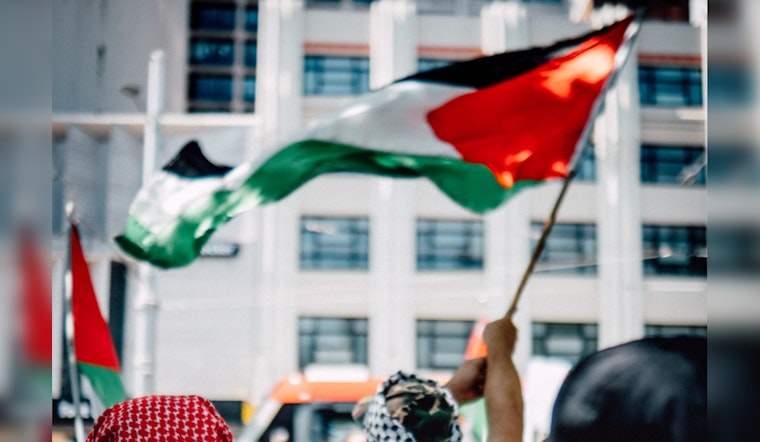
The tides of war are seemingly turning with the announcement of a tentative ceasefire between Israel and Hamas, a development that has prompted a mixed tapestry of emotions within Metro Detroit's Jewish and Arab communities. As reported by the Detroit News, relief and hope are the prevailing sentiments as many look forward to an end to the devastation and displacement that has plagued Gaza for 15 months.
With 46,000 Palestinians reported killed and a vast majority of Gaza's population displaced, according to figures cited by Hamas' health agency, the ceasefire is not simply a respite but a crucial avenue to potentially facilitate a more enduring peace. "We are very happy and relieved that an agreement has been reached to end the killing and the devastation that Palestinians have been subjected to," Osama Siblani, publisher of the Arab American News, shared in a statement obtained by the Detroit News. However, the community also remains cautious, as the successful release of hostages and prisoners, and the promise of rebuilding homes from rubble are critical to maintaining this fragile peace.
Jewish leaders have also welcomed the agreement, with Carolyn Normandin, regional director of the Anti-Defamation League, stating, as reported by the Detroit News, "For over 15 months, family members, friends, and many across Israel and the world, fought tirelessly and unwaveringly on behalf of the hostages, and today there is finally hope that they will return home." The conflict saw pro-Palestinian and pro-Israeli rallies and protests throughout Michigan, highlighting the intensity of this global issue on local soil.
Michigan's lawmakers have also chimed in on the ceasefire with various tones of optimism and caution. U.S. Sen. Elissa Slotkin called the ceasefire "long overdue," emphasizing that both sides must "make good on its commitments" to propel this tentative agreement into a reality that can be felt on all fronts, as noted by the Detroit News. Elsewhere, voices like that of Farah Khan of the Abandon Harris movement, told CBS Detroit, criticized the Biden administration for not acting sooner to prevent the casualties, most of whom were children.
The ceasefire deal's impact isn't just a distant concern for international policymakers, but a deeply personal matter for those in Metro Detroit's Arab and Jewish communities. For Arab Americans like Terry Ahwal, who have advocated against violence in the Middle East, there's a sense of "horror" and disgust at the loss of life and what was perceived as complicity from the US government. Ahwal's sentiments were echoed in a Detroit Free Press interview, where he describes an "almost 50 years of advocating on behalf of the Palestinian, but I have never seen the carnage that took place in the last 15 months."
The ceasefire agreement assures the phased release of hostages and prisoners, but the road to recovery and peace will likely be long. As the communities hold tightly to hope, it's clear peace must be coupled with justice and enduring solutions. Moving forward, Metro Detroit's populations with ties to the Middle East watch eagerly and warily, hoping the ceasefire will hold strong and herald the beginning of a new chapter for the region.



