

























































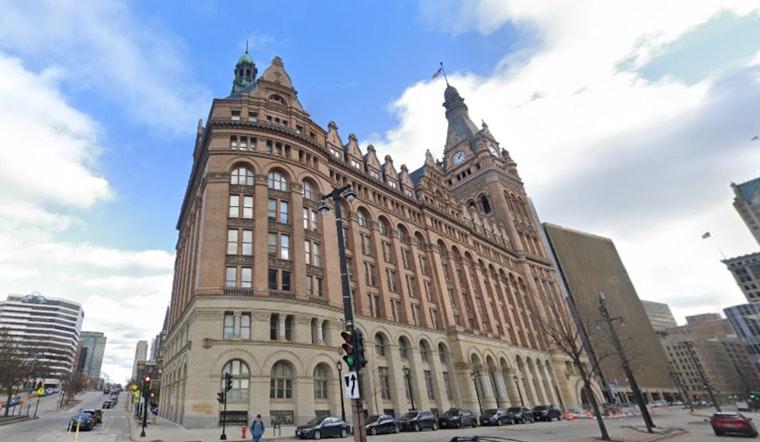
Milwaukee, a city whose very bones have been laid down by generation after generation of immigrants, now stands at a crossroads as the federal Immigration and Customs Enforcement agency considers expanding its detention operations within its boundaries. The proposed expansion comes amidst a backdrop of hardline immigration policies and rhetoric from the incoming Administration, according to the City of Milwaukee.
The potential expansion has, according to the City of Milwaukee statement released by city officials, kindled deep concerns across Milwaukee's diverse communities. The city, which prides itself on the sweat and toil of its immigrant population, now stands to see these residents—many of whom are undocumented but essential to the city's economic and social vitality—become the new target of aggressive detention protocols. City officials have been vocal about their worries, stating, "The potential targeting of these individuals with aggressive detention policies threatens not only their safety and well-being, but also the trust that we have worked hard to build between law enforcement and immigrant communities."
The message resounds clear: Milwaukee values its immigrants, documented or not, and any action that aims to disrupt the delicate fabric of trust and community built over years with its law enforcement will not be taken lying down. The statement goes on to emphasize the importance of inclusion and fairness, intending to quickly and fully respond to these federal moves, "I will be calling on my colleagues in the City of Milwaukee, along with our partners at every level of government, to closely monitor these developments and to do everything in our power to protect Milwaukee’s immigrant families," as stated by the City of Milwaukee.
As city officials prepare to push back against the proposed ICE operations, the spirit of Milwaukee's community at large remains unwavering in its commitment to uphold a sanctuary for all its residents. It is not just about a policy or a facility—it is about the human dignity of every person who calls Milwaukee home. The conversation evolves, showing that Milwaukee persists to fully represent a city that, come what may, remains steadfast in valuing "the dignity of all its residents." This discourse, set against a national conversation on immigration, positions the city at the frontline of a broader struggle over the soul of America's policy toward its immigrant population, as per the City of Milwaukee.





